Restoration and Exotic Invasive Species Control Program
Context, objectives, and actions
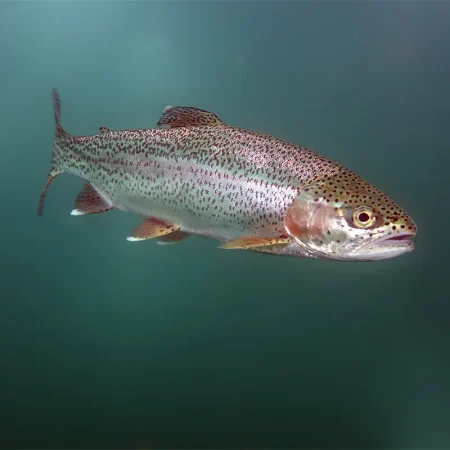
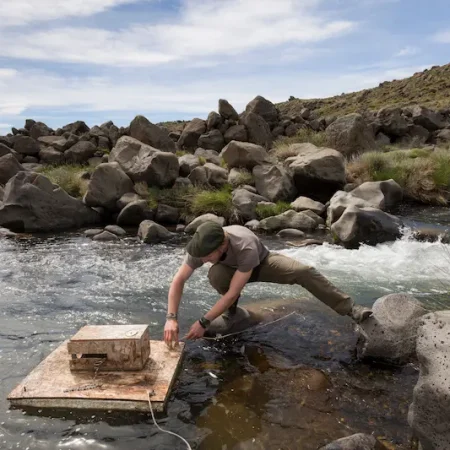
Invasive alien species (IAS) are species whose presence in a site or region is a consequence of human intervention, whether through direct or indirect actions. After their arrival, these species manage to establish themselves and form autonomous populations, with the capacity to disperse to new environments and generate significant impacts on biodiversity, the functioning of ecosystems, and even on human life.
It is estimated that they are involved, directly or indirectly, in approximately 60% of recorded species extinctions.
The global economic cost calculated based on the damage they generate and the economic investment necessary to confront and reverse their impacts exceeds $420 billion (IPBES 2023).
In the long term, reducing the impact of IAS is necessary to have healthy and resilient ecosystems, with the capacity to face increasingly demanding environmental conditions, such as those expected in the current contexts of climate change. In turn, these natural systems will be able to continue sustaining the human life that depends on the affected environments.
Protagonists

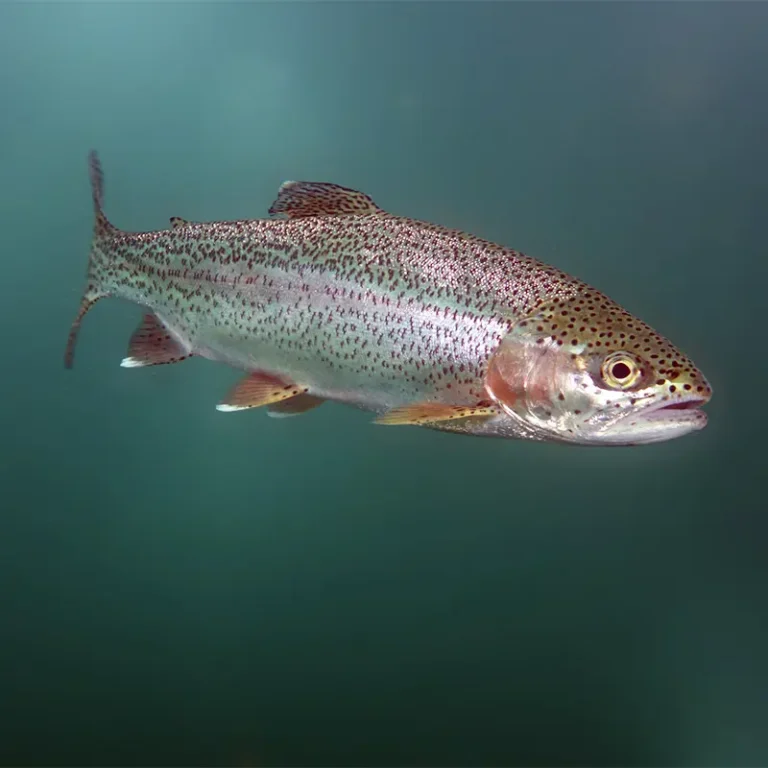


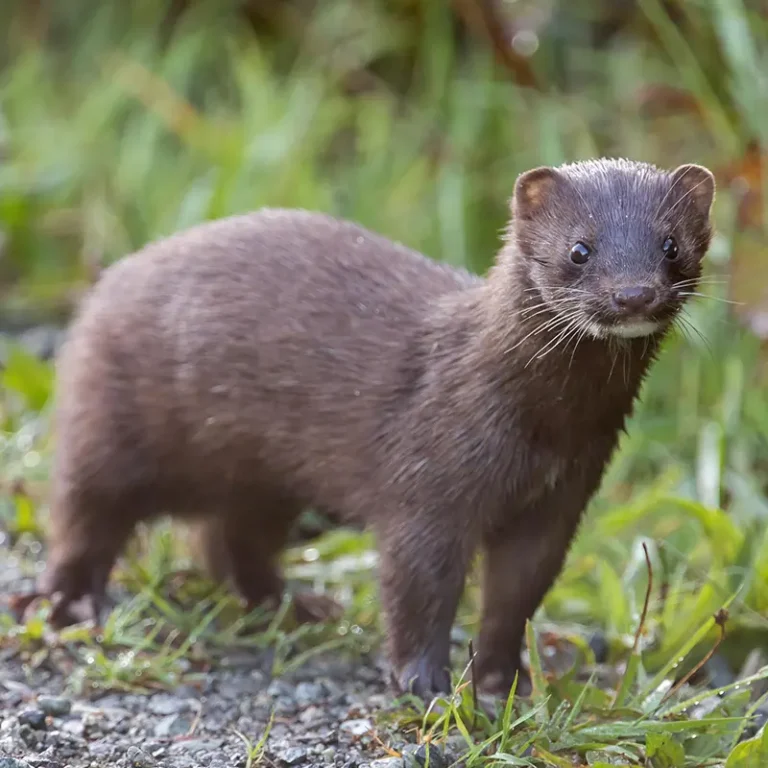
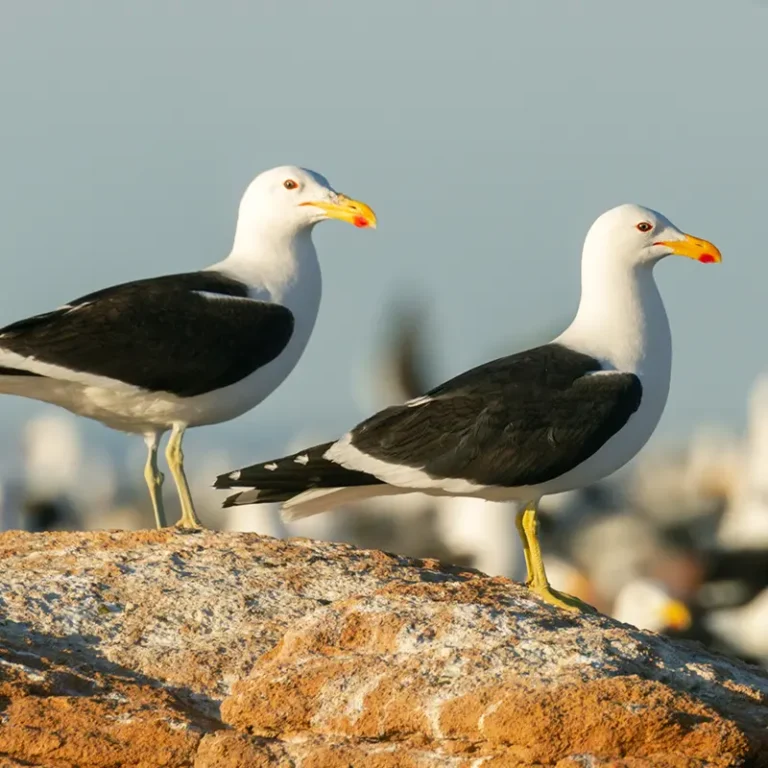


Restoration and Exotic Invasive Species Control Program
This program is made possible by our network of donors and collaborating institutions.
Donors



Collaborating institutions