Kirchner’s Vizcacha Rat Project
Context and objectives
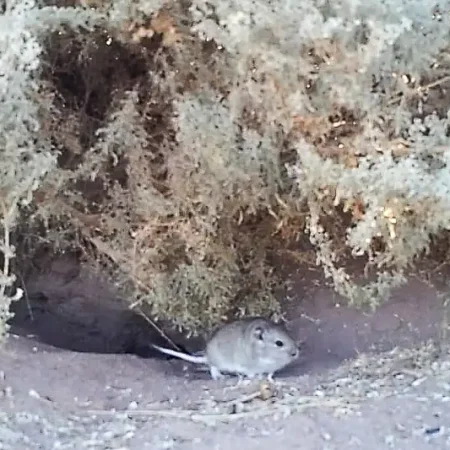
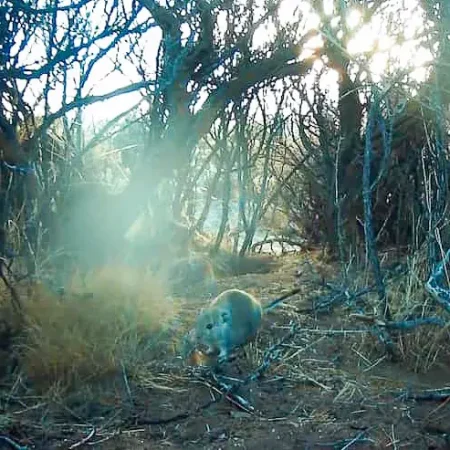
The Kirchner’s Vizcacha Rat is a little-known jewel of Argentine biodiversity. It is the southernmost species of its family and the only one that inhabits the dry and extensive Patagonian steppe. It was recently discovered, in 2014, and has not been found alive in the wild since then. Everything we knew came from a single record in 2008 and from fossil remains found in sediments and pellets of birds of prey. Its diet is mainly composed of halophyte plants (rich in salt), and it has developed a surprising adaptation: specialized hairs in the mouth that allow it to remove the saline layer from the leaves. It also has extremely efficient kidneys that concentrate excess salt in the urine, which makes it an exceptional model for physiological and genetic studies. Although other species of the genus Tympanoctomys have been listed as threatened, this species is in an even more uncertain category: “Data deficient”, which means that we do not even know if it still exists. Its disappearance from sites where it previously lived coincides with the arrival of livestock to the region, which compacts the soil and degrades its underground habitat: a complex network of tunnels with multiple entrances, which form unique mounds among Patagonian rodents. Our work seeks to know its current distribution, estimate the population size, better understand how it chooses its habitat, and establish links with local actors to devise protection strategies.
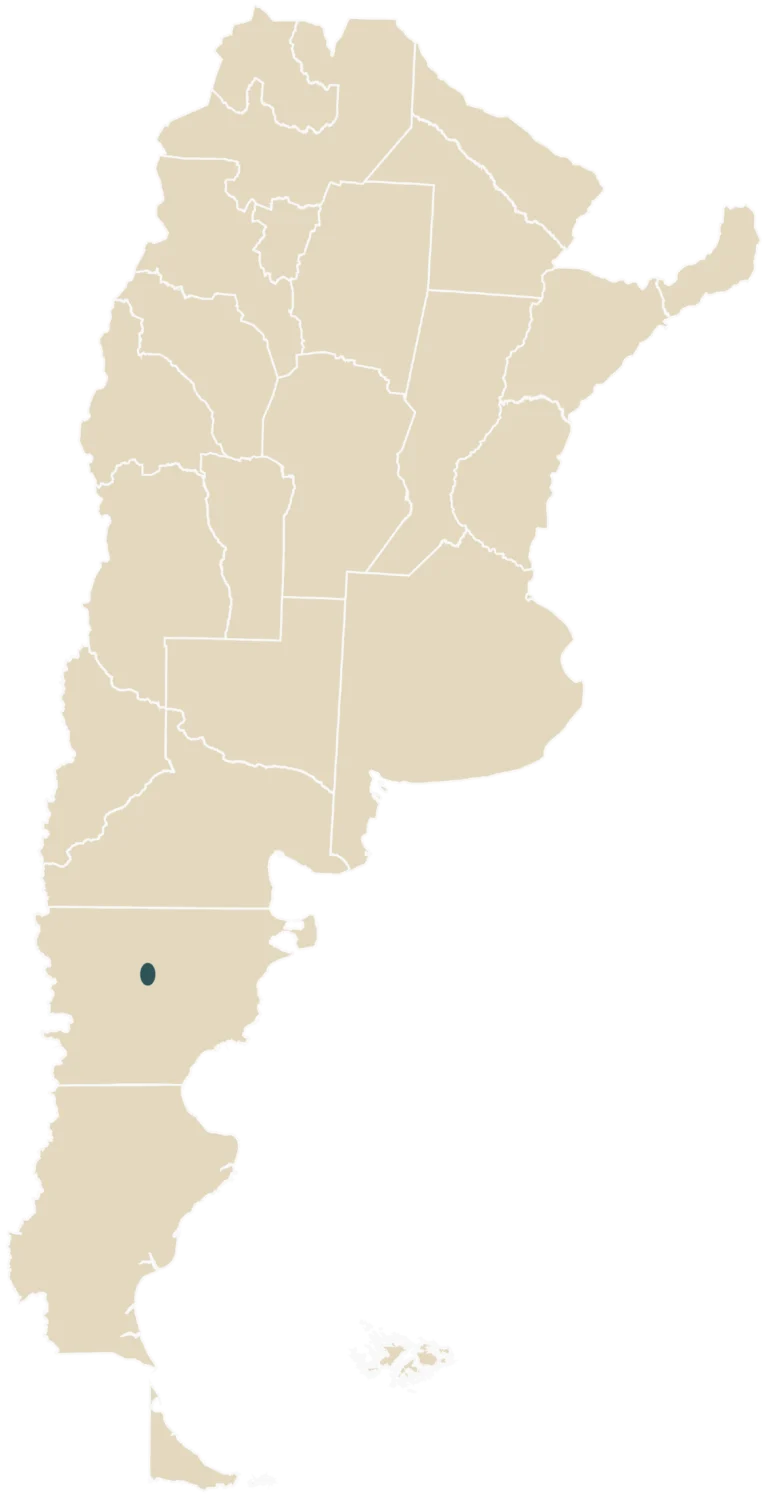

Scope of the project
Our actions
- Establish the current distribution of the species, beyond the few known locations.
- Learn about the population status and estimate the real effect of the proposed threats, mainly from livestock farming.
- Evaluate potential conservation actions needed.
Protagonists

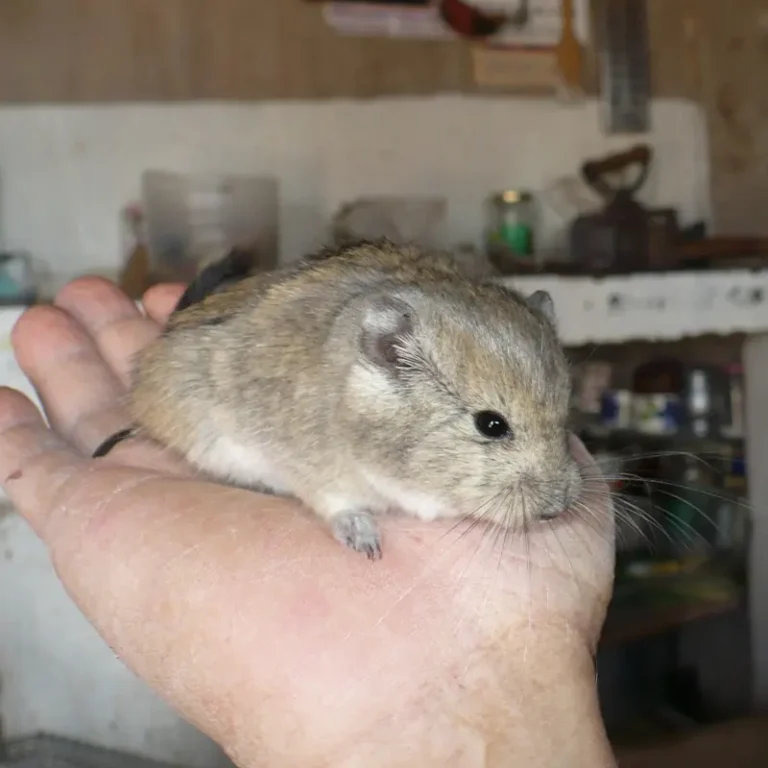


Habitat and behavior
It inhabits saline environments in the Chubut River Valley, being a micro-endemic species of that region.
Feeding
Little is known about its diet, but it is surely based on halophilic vegetation.
Reproduction
Nothing is known about the reproductive biology of this species.
Curiosity
This small rodent has unique characteristics among mammals: it is tetraploid, which means it has twice the genetic material as most species.
Threats
It is possibly being severely affected by extensive livestock farming in those particular environments in which it lives.
Kirchner’s Vizcacha Rat Project
This project is possible thanks to our network of donors and collaborating institutions.