Southern River Otter Project
Context and objectives
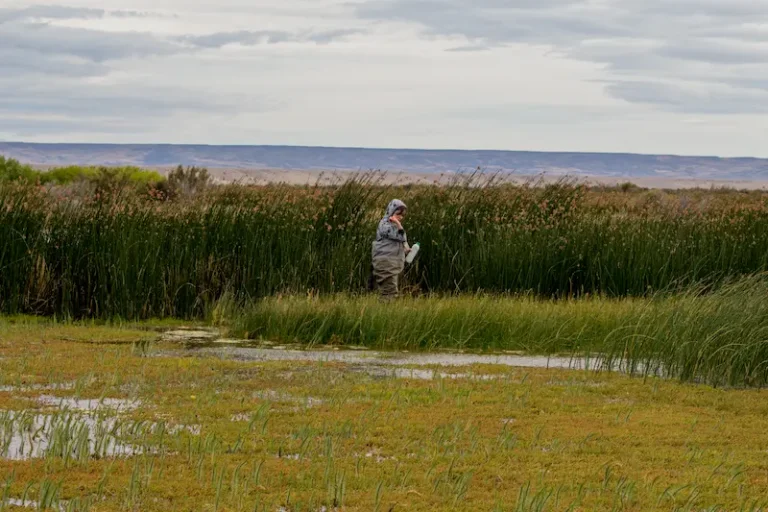
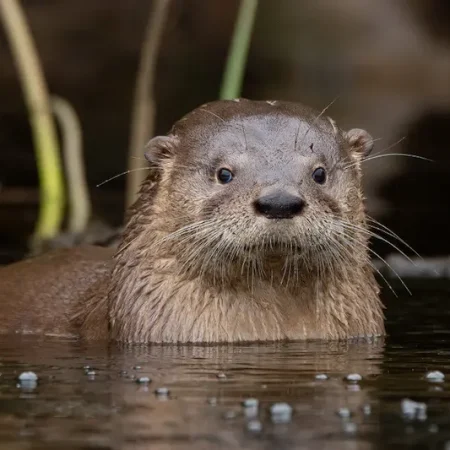
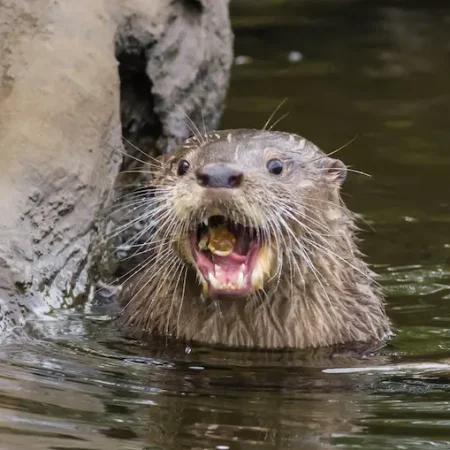
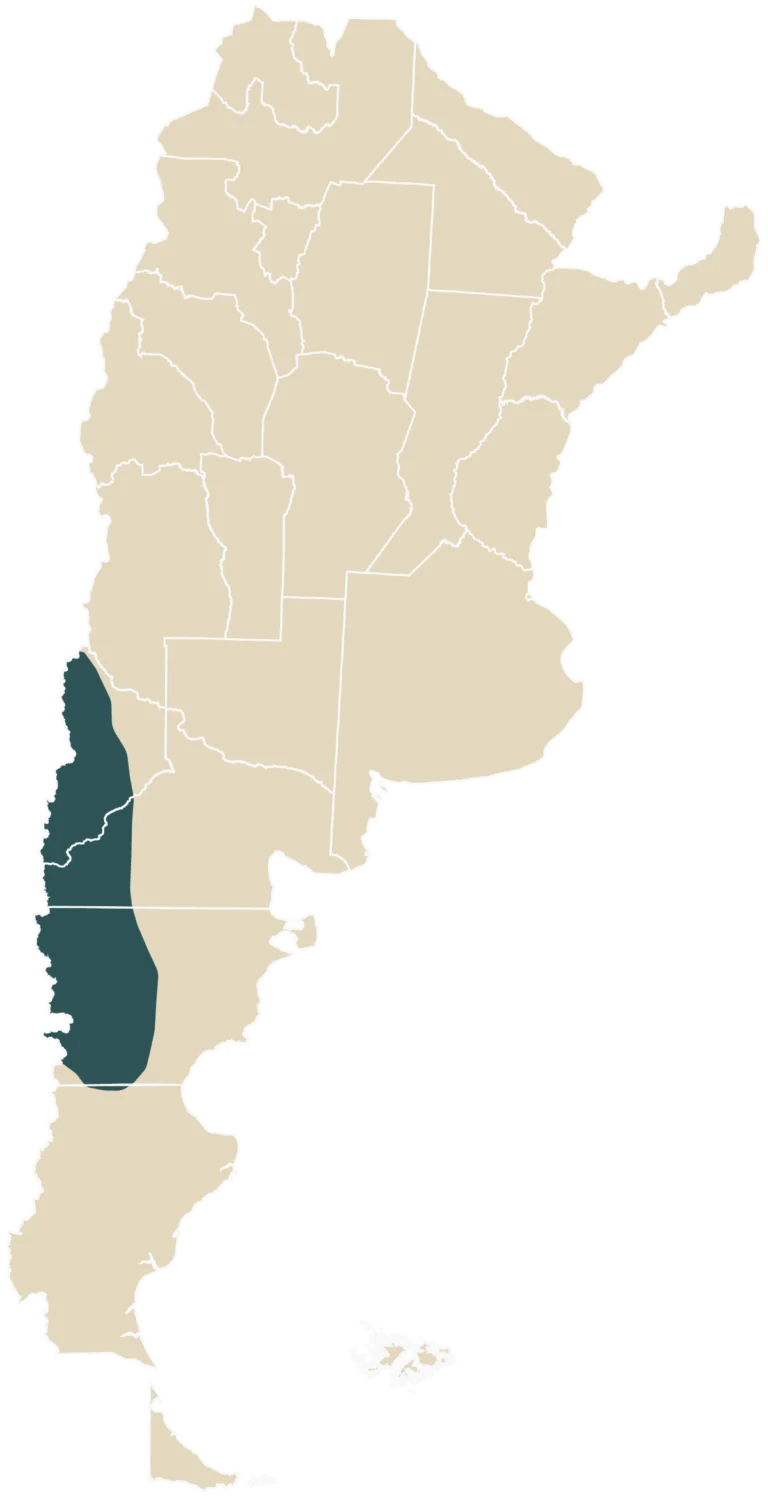
The Southern River Otter project is part of a long-term project that began with the doctoral research of Lali Fasola, completed in 2009, in which the situation of this species was studied across its distribution in Patagonia. From 2016, we resumed activities with the aim of updating knowledge on the current status of its populations in hydrographic basins of northern Patagonia (Provinces of Neuquén, Río Negro and Chubut), identifying new threats and determining the reasons for its lack of recovery in the Río Limay basin. We are studying the genetic structure of the Southern River Otter groups of Northern Patagonia and working on the construction of spatial connectivity models to identify areas that could be crucial to protect and restore environmental connectivity for the Southern River Otter and favor its natural recovery. To study Southern River Otters, we use traditional methodologies, such as searching for signs (footprints and feces) to determine their presence. We are also incorporating eDNA (environmental DNA) analysis to determine its presence through the collection and analysis of water samples.

Scope of the project
Our actions
- We are developing a management plan aimed at both strengthening existing populations and generating new population centers in the region. We wrote this plan together with researchers from the Northern Patagonia Regional Directorate of the National Parks Administration, who are also involved in the research.
- In addition, we understand that environmental education is crucial in promoting the recovery of the Southern River Otter in Northern Patagonia. There are many sectors in the region in which the Southern River Otter must recover and coexist with communities in which Southern River Otters are unknown or are characters in the stories of grandparents. It is necessary to inform and prepare for this interaction, and for this, we mainly work with National Parks and the Wildlife Directorate of the Province of Chubut.
- All this effort is developed with the purpose of generating solid information on the ecology of the species and the state of the environments it inhabits.
Protagonists

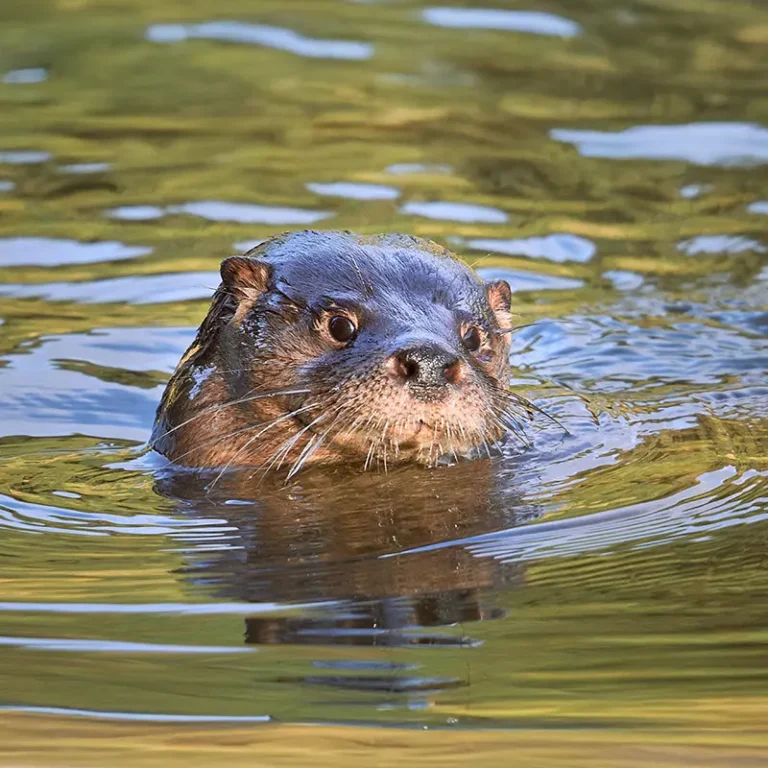


Habitat and behavior
It inhabits freshwater systems in northern Patagonia and the marine coasts of Tierra del Fuego and Isla de los Estados. In north of Patagonia, they are usually found in lakes and rivers in wooded environments and steppe rivers. They are solitary and often swim or dive in search of food. They use caves between rocks or logs as dens.
Feeding
In freshwater systems, it feeds on aquatic prey: fish and crustaceans of the genera Aegla and Samastacus, when these are available.
Reproduction
Southern River Otters reproduce once a year, during autumn-winter, and each litter generally has one pup. Parental care is entirely the mother’s responsibility. The juveniles disperse at the end of the summer.
Curiosity
They are excellent divers and can dive to depths of more than 10m. They measure 1-1.10 m long and weigh between 8 and 10 kg. Their territories cover stretches of coastline of approximately 10 km.
Threats
The reduction in its population was mainly due to hunting, since its skin is of high quality for shelter. Since 1960, it has been a species protected by the National Wildlife Law, and although hunting has been prohibited since then, its populations do not currently show a significant recovery due to fragmentation, habitat loss, and lack of connectivity between occupied environments.
Southern River Otter Project
This project is possible thanks to our network of donors and collaborating institutions.