Dogs in Conservation Program
Context, objectives, and actions
In a context where domestic and feral dogs pose a major threat to wildlife worldwide, the Hooded Grebe Foundation seeks to transform that narrative. Through the Conservation Dogs Program, we channel the extraordinary potential of these animals as strategic allies for conservation, leveraging their learning capacity, collaborative nature, and, above all, their exceptional sense of smell. This program integrates two complementary lines of work:
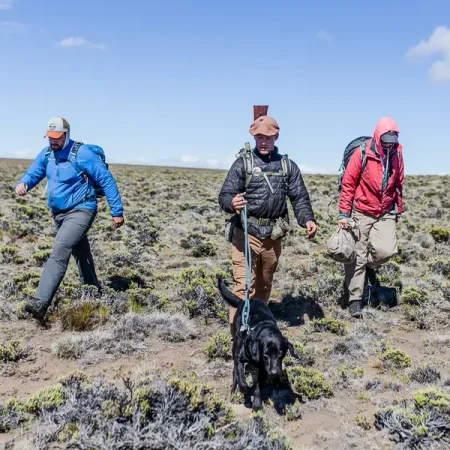
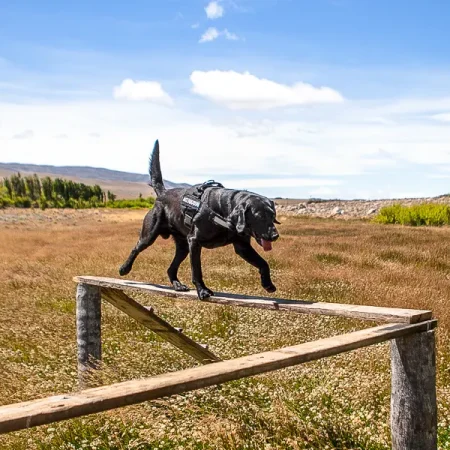
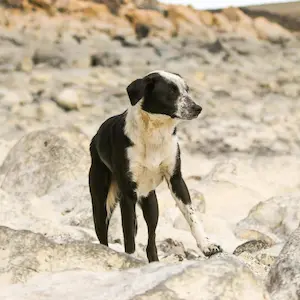
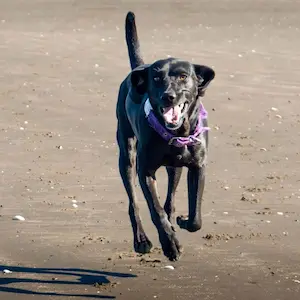
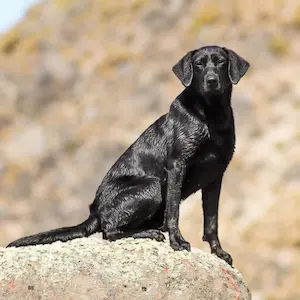
Detector dogs for monitoring and control: We use trained dogs to detect threatened species—such as the Southern River Otter—and invasive alien species in early stages of dispersal—such as the American mink. Thanks to their high tracking efficiency, dogs can cover large areas in less time and with greater precision than traditional methods, enabling the implementation of early, effective, and low-impact actions. Systematic training includes protocols that minimize any disturbance to native fauna.
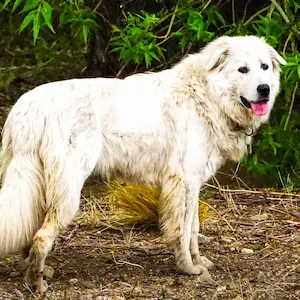
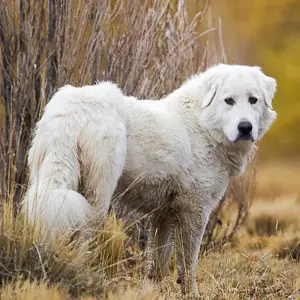
Livestock guardian dogs for conflict prevention: Since 2022, we have been developing a pioneering project that promotes the use of guardian dogs to reduce livestock depredation by native carnivores, such as foxes and cougars. This strategy not only reduces the dependence on lethal and high-impact practices (such as the use of toxic baits) but also favors the coexistence between livestock production and biodiversity.
Our goal is to gradually expand the scope and diversity of program applications, strengthening the link between conservation, sustainable production, and community participation, continually from an ethical perspective based on scientific evidence.
Protagonists
Dogs in Conservation Program
This program is made possible by our network of donors and collaborating institutions.
Donors








Collaborating institutions