Austral Rail Project
Context and objectives
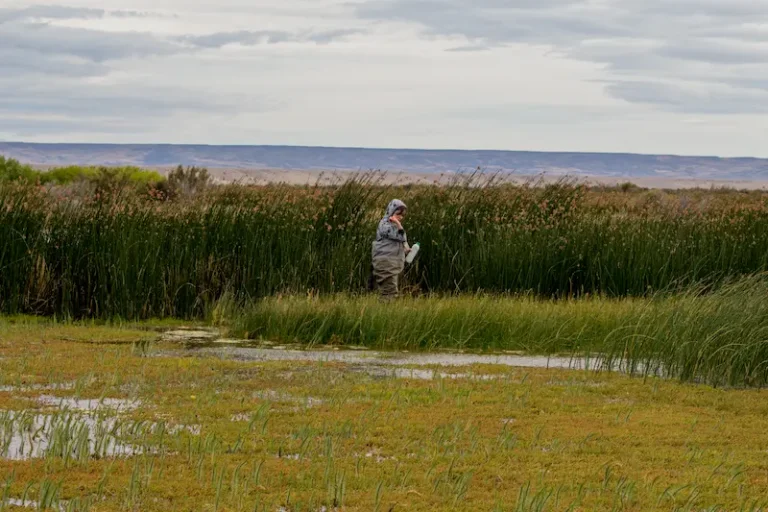
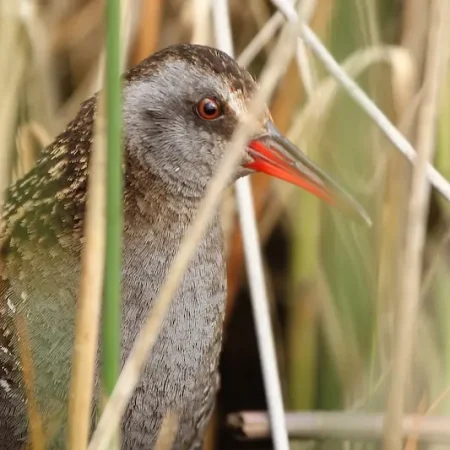
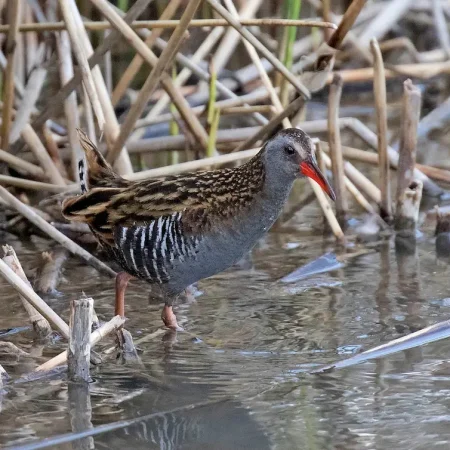
Since the rediscovery of the Austral Rail in 1998, members of our team have developed studies on this species in Southern Patagonia. In 2014 we published some works that generated advances in the knowledge of the species that included unpublished data on habitat, seasonal movements and main threats and reinforced the hypothesis that the American mink is one of the main causes of its decline, by documenting sites with suitable habitat where the species was absent but the presence of minks was recorded. With the work carried out so far, we have evidenced the negative impact of wetland management (burning and livestock) and the presence of minks on the species, as well as developed an efficient sampling protocol using playback and proposed priority conservation measures, such as the control of the American mink and livestock management of wetlands.
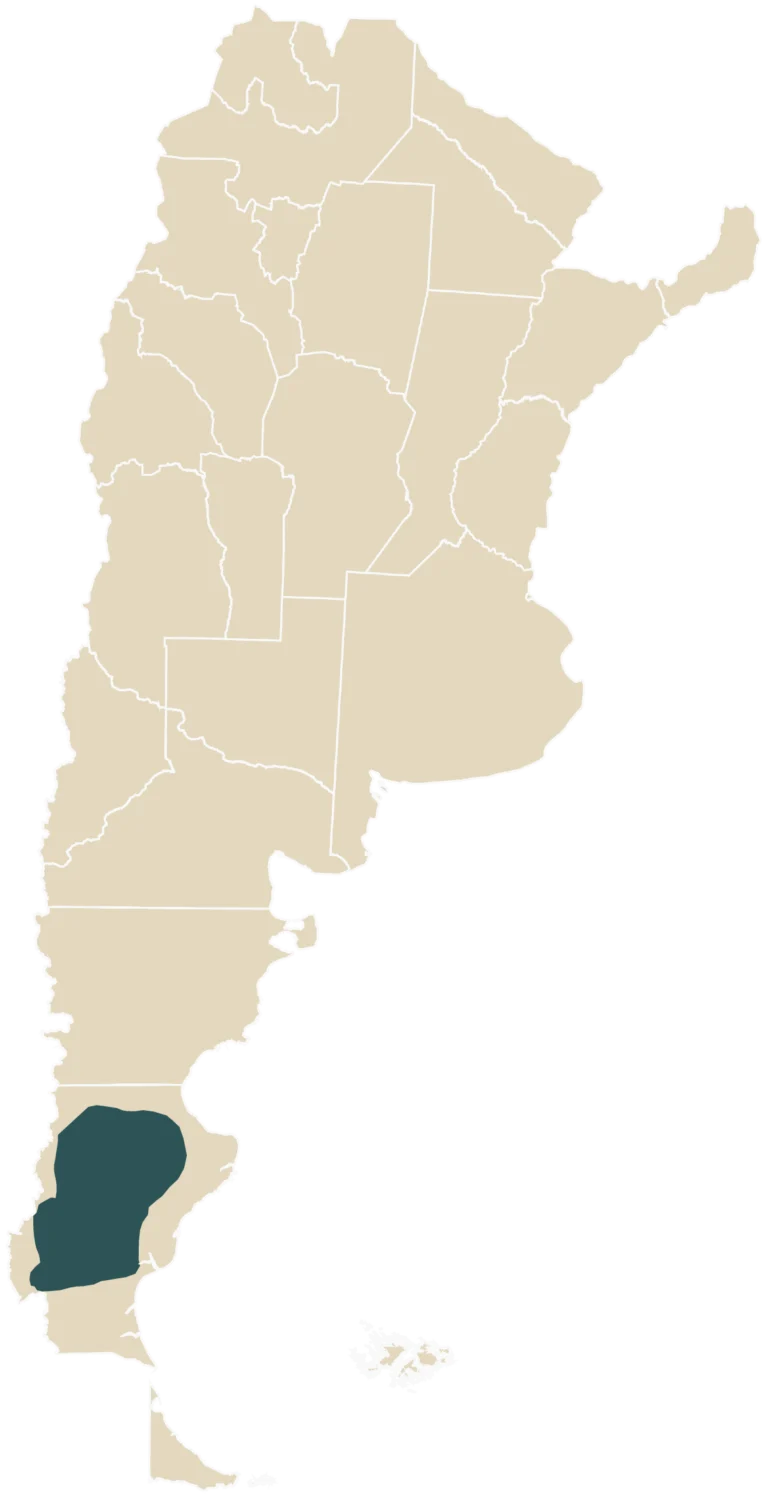

Scope of the project
Our actions
- Population monitoring of its entire distribution area.
- Mapping of its environment with satellite images.
- Monitoring the advance of its main threats -invasive species and transformation by livestock-.
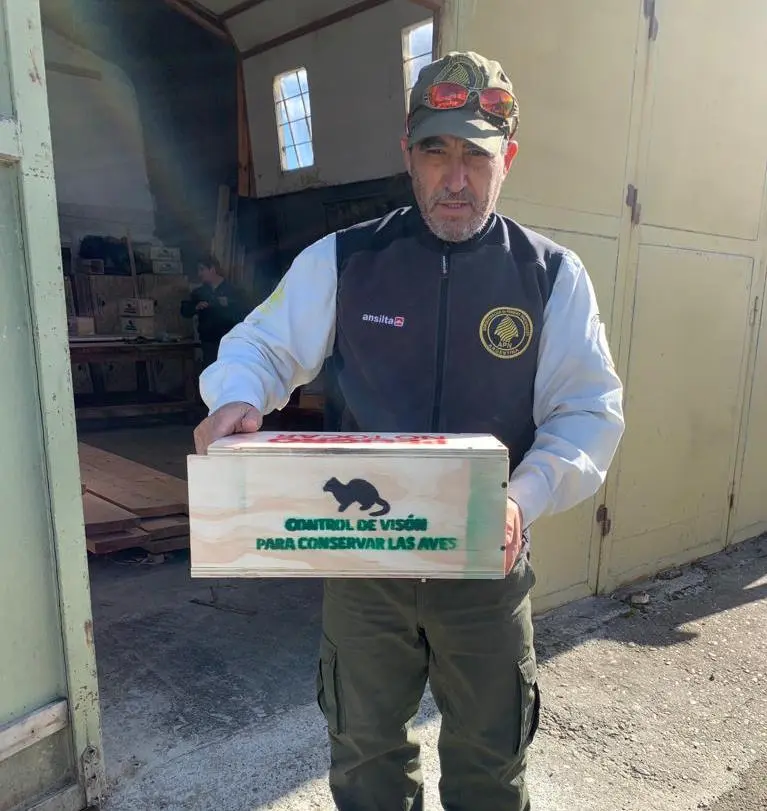
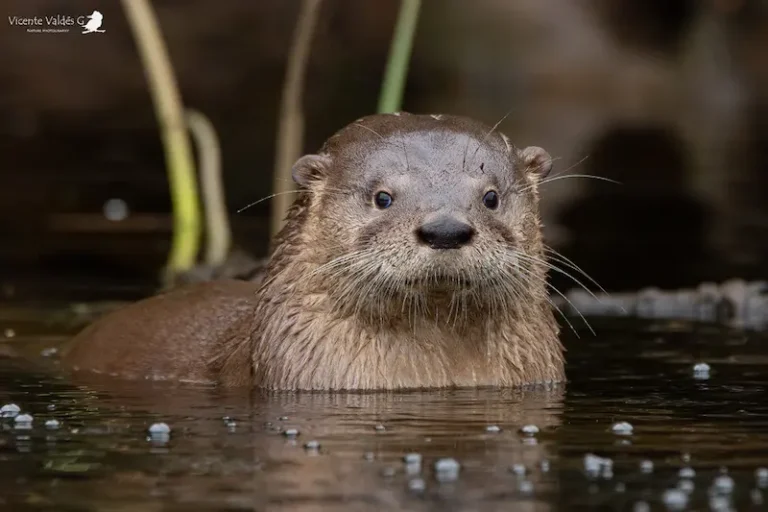
- American mink control plan in key sites.
- Wetland restoration through work with ranchers.
- Studies on ecology and conservation.
Protagonists

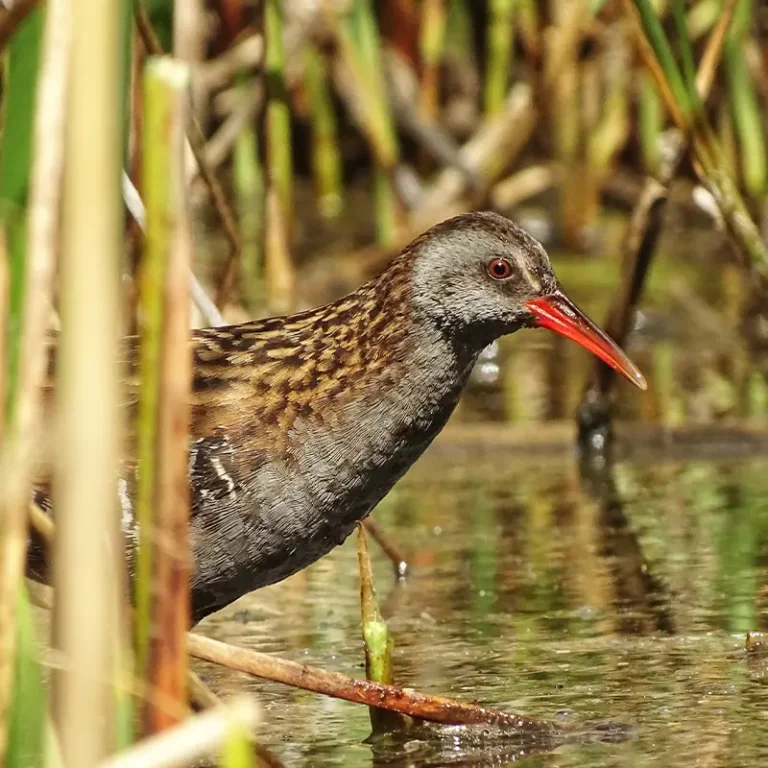



Habitat and behavior
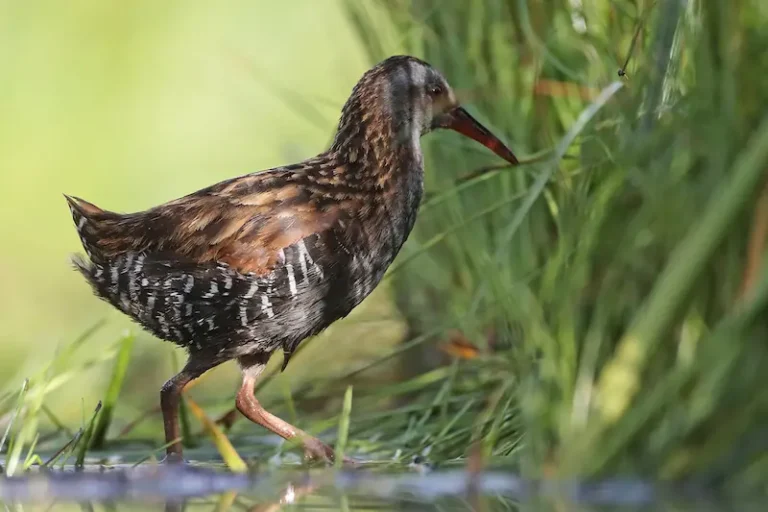
It inhabits scattered wetlands in the desert portion of Patagonia. Like the rest of the rails, they are shy, socially monogamous, territorial birds with irregular seasonal movements and adapted to living in wetlands with abundant vegetation.
Feeding
Insufficient data! To date there is no work that has evaluated the diet in a particular way. What we know are assumptions based on studies of other rails.
Reproduction
Insufficient data! Nesting records are too scarce to describe general breeding patterns.
Curiosity
After 40 years without records it was declared possibly extinct in 1992. It was only in 1998 that it was rediscovered in the Río Chico basin.
Threats
It is accepted that the population is undergoing a sustained decline due to habitat loss and predation by the American mink.
Lines of work
Austral Rail Project
This project is possible thanks to our network of donors and collaborating institutions.