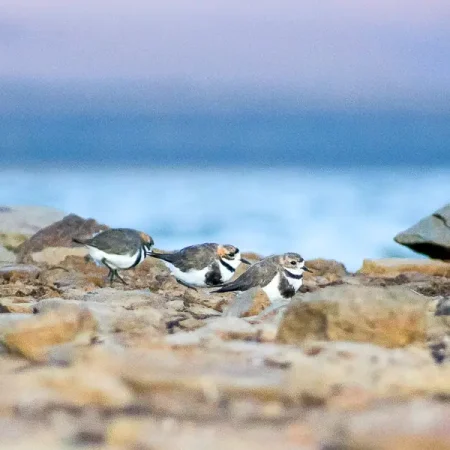
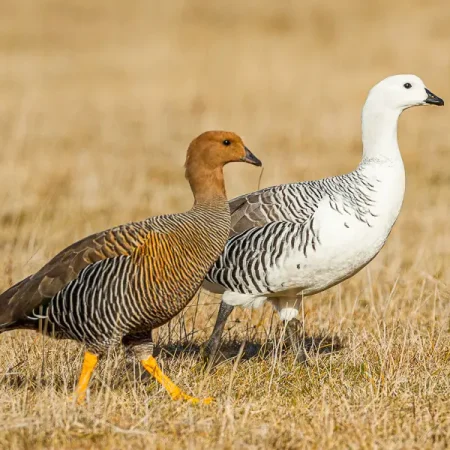
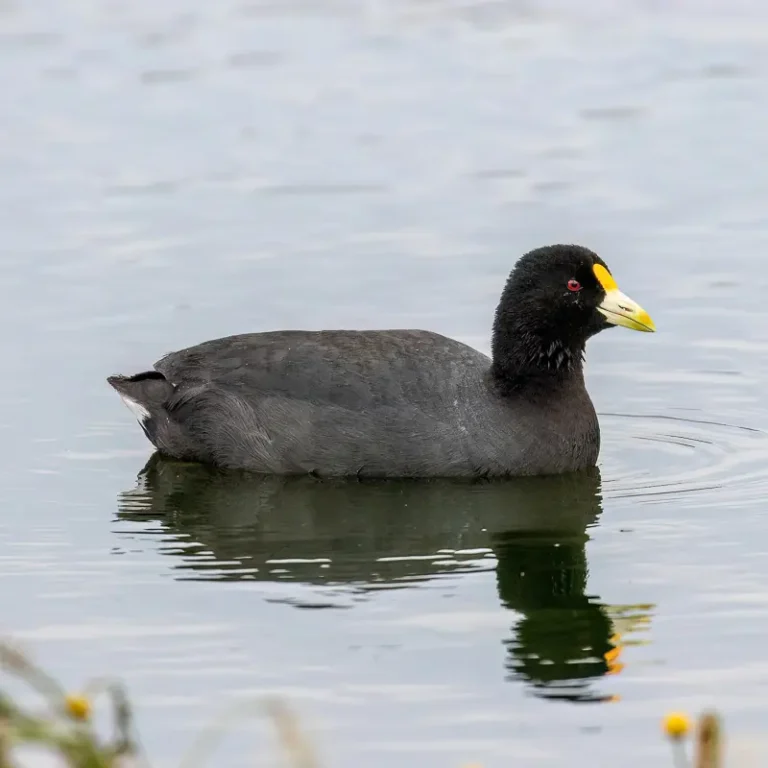
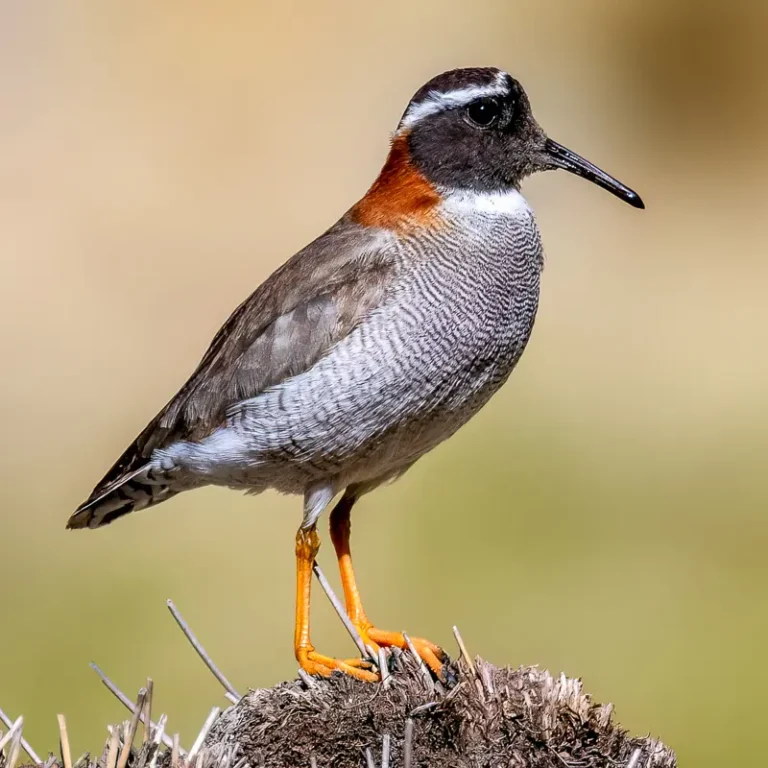
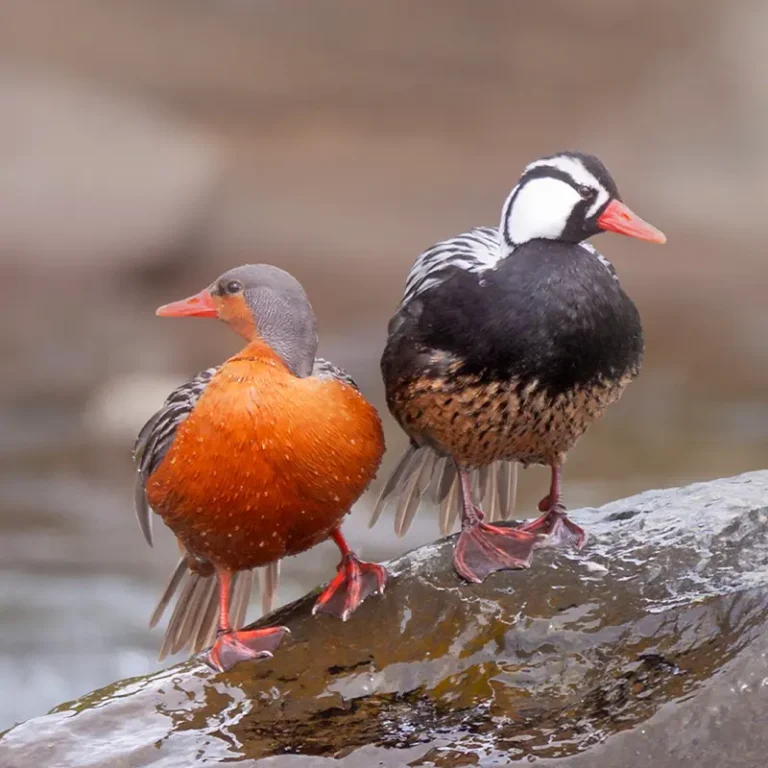
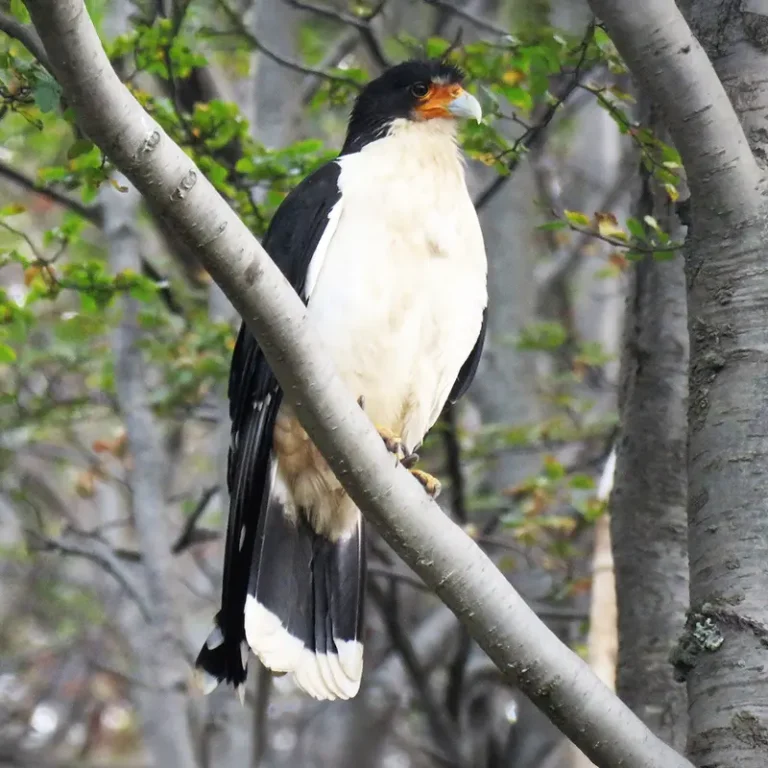
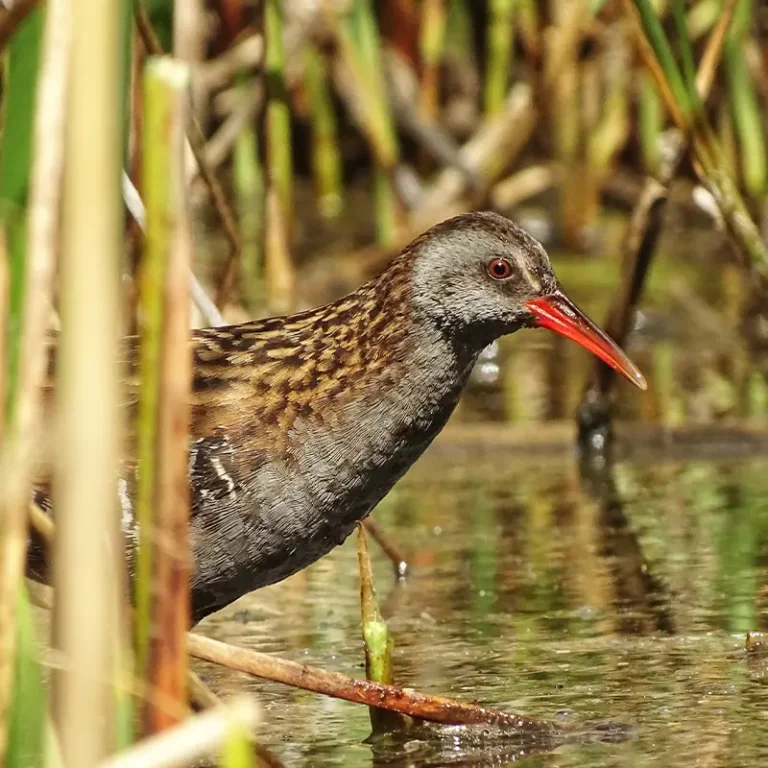
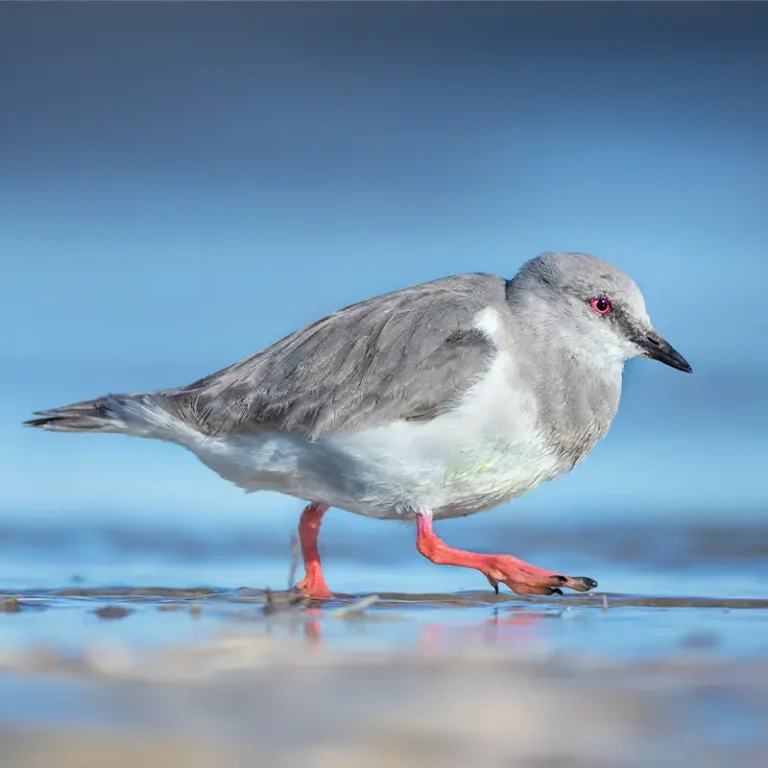
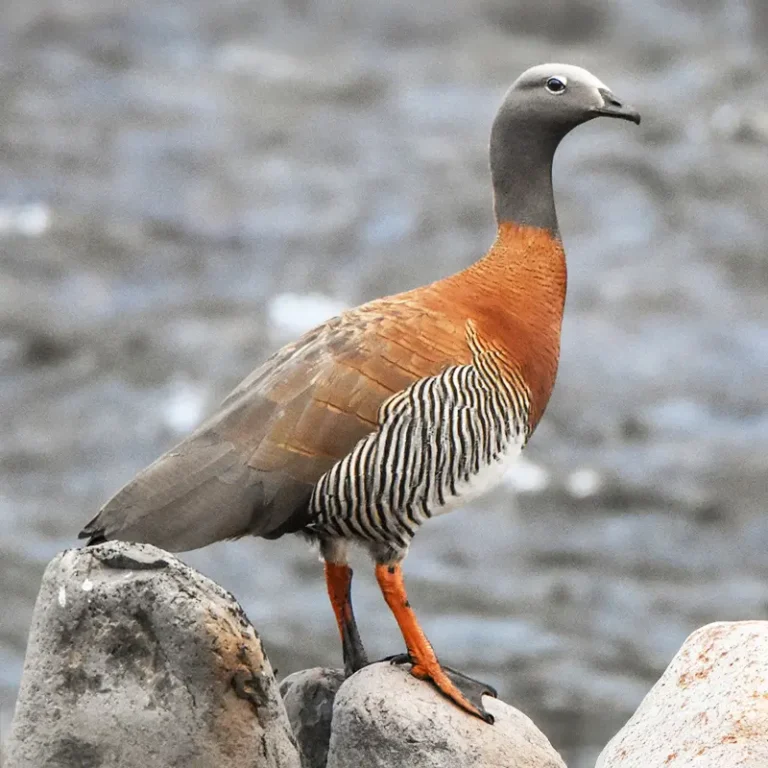
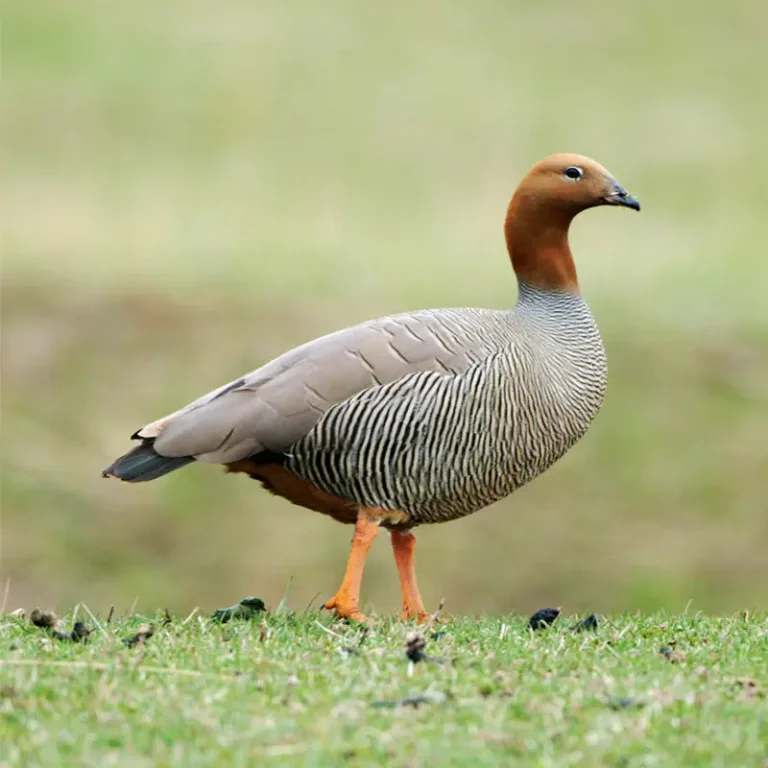
Over time, the Hooded Grebe has become a true flagship species for the conservation of high-altitude aquatic ecosystems in southern Patagonia. Its protection has not only enabled highlighting the threats facing the plateau lagoons. Still, it has also opened the door to considering broader strategies involving other species that share its habitat or face similar problems. From this more comprehensive perspective, the Foundation began developing research and conservation projects focused on a diversity of little-known or threatened Patagonian birds. Thus, lines of work emerged with species such as the Austral Rail, the Torrent Duck, the Magellanic Plover, the Diademed Plover, the White-throated Caracara, the Upland Goose, the Ashy-headed Goose and the Ruddy-headed Goose, among others. These efforts also expanded to include the study and monitoring of entire communities, such as the water birds that inhabit the high-altitude lagoons of the Santa Cruz plateaus. For each species or group, we design specific strategies according to their situation: population assessments, genetic studies, satellite monitoring, habitat restoration, control of exotic species, use of search dogs, installation of camera traps, and collaboration with local communities and key actors in the territory.