Sheldgeese Conservation Project

Context and objectives
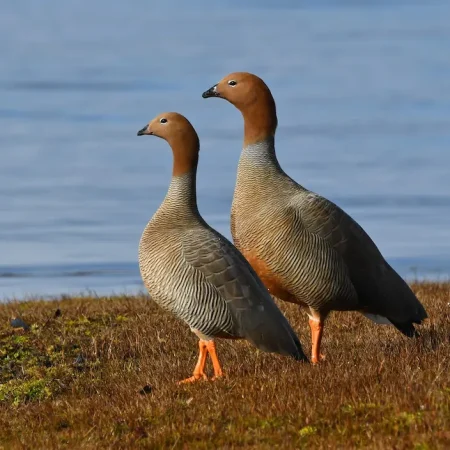
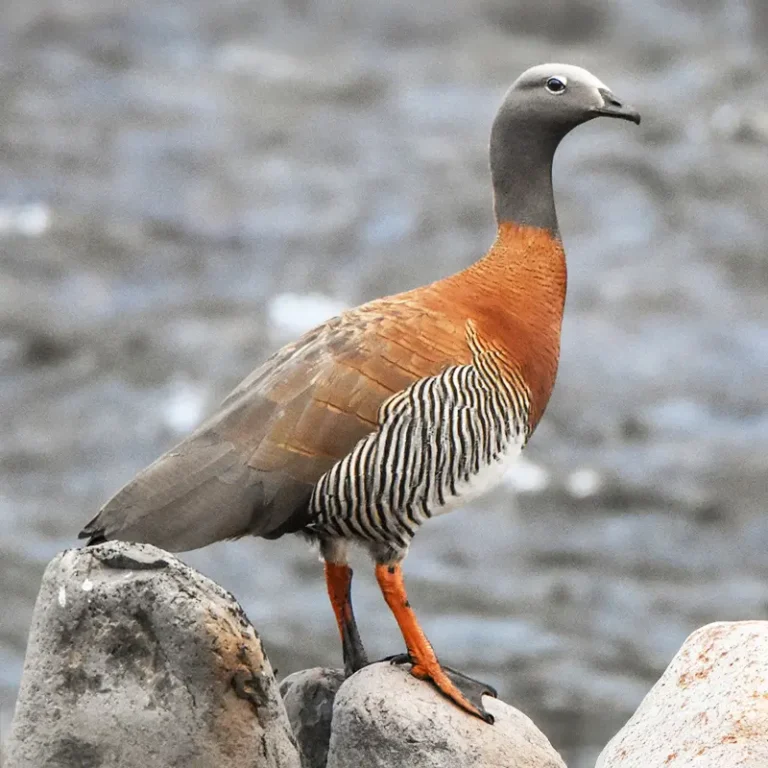
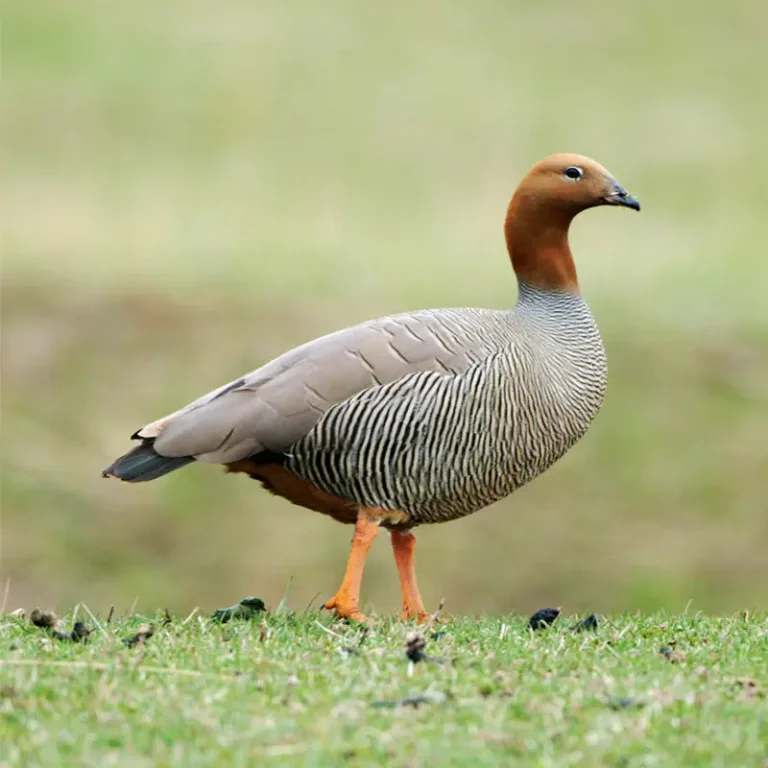
The sheldgeese are aquatic birds similar to the geese endemic to South America. Three of them, the Upland Goose, the Ashy-headed Goose and the Ruddy-headed Goose have migratory populations and are endemic to southern South America, in Argentine and Chilean Patagonia. All three are categorized as endangered at the national level, both in Argentina and in Chile. In the 1930s, they were declared pests and the massive destruction of their nests, the scaring away using aeroplanes in the wintering areas, the poisoning, the control hunting and the sport hunting were promoted. These actions resulted in a drastic decrease in their populations. Currently, in the wintering areas, the sheldgeese continue to be persecuted by some rural producers, but also, sport hunting continues to be practiced illegally. On the other hand, their breeding areas have been modified by overgrazing by sheep and cows and by the introduction of exotic predators, mainly on the island of Tierra del Fuego, factors that have probably reduced the reproductive success of these species.

Scope of the project
Our actions
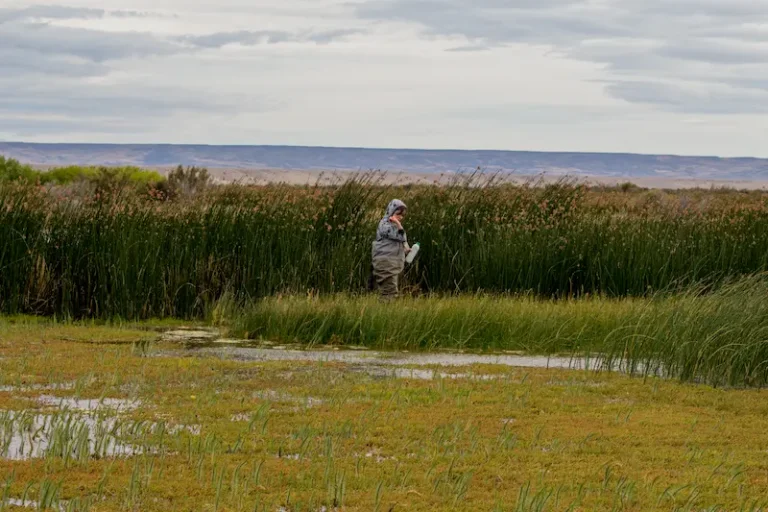
- Population monitoring in Southern Patagonia.
- Studies to understand the impact of different threats in different sectors of Patagonia.
- Ex situ breeding to reinforce populations. Wetland management experiences to increase reproductive success.
Protagonists







Habitat and behavior
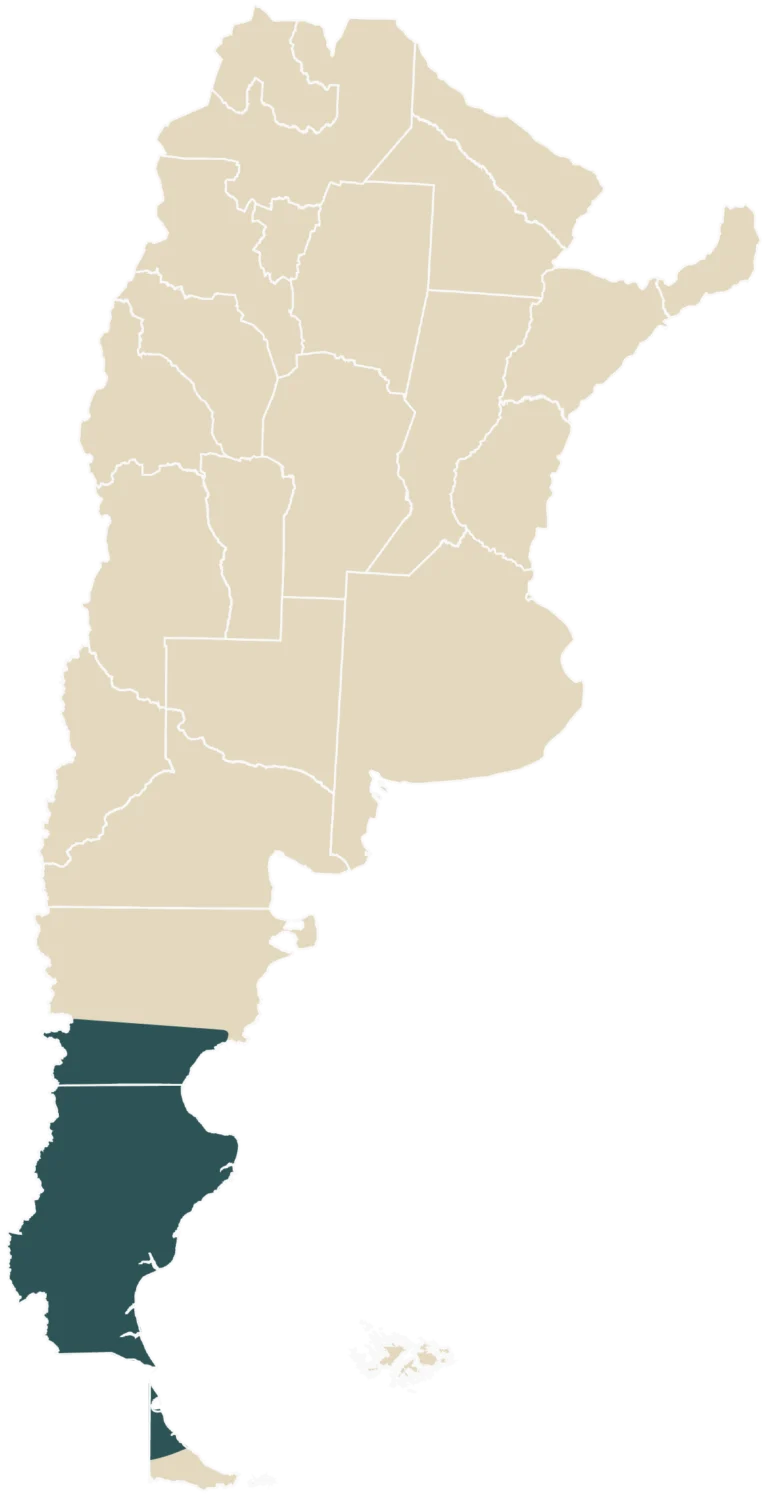
The continental populations of the Ruddy-headed Goose, Upland Goose and Ashy-headed Goose migrate forming mixed flocks from the breeding areas in the south of Argentine and Chilean Patagonia to the wintering areas in the north of Patagonia and south of Buenos Aires, where they frequent grasslands and pastures. In the reproductive area, they are found from the forest to the steppe.
Feeding
Herbivores, they feed on tender shoots and short grasses of natural vegetation and, to a lesser extent, on crops.
Reproduction
During the reproductive period, they form pairs and build nests on the ground, laying 5 to 8 eggs that are incubated by the female.
Curiosity
In their migrations they travel a distance of 1,300 kilometers along a migratory route that is still unknown.
Threats
In the 1930s, they were declared a plague and the massive destruction of their nests, the scaring away using aeroplanes, the poisoning, the control hunting and the sport hunting were promoted. These actions resulted in a drastic decrease in their populations. Currently, in the wintering areas, the sheldgeese are persecuted by some farmers, and sport hunting continues to be practiced illegally. On the other hand, their breeding areas have been modified by overgrazing from sheep and cows and by the introduction of exotic predators, such as the American Mink, factors that have probably reduced the reproductive success of these species.
Sheldgeese Conservation Project
This project is possible thanks to our network of donors and collaborating institutions.