Aquatic Bird Communities Project
Context and objectives
Wetlands are true oases of life in the arid Patagonian steppe. These ecosystems fulfill essential ecological functions: they store water, regulate the climate, and serve as home to numerous species. In dry regions such as Patagonia, where rainfall is scarce, the high-altitude lagoons on the basaltic plateaus become even more important, acting as key refuges for aquatic birds. These birds depend on wetlands to reproduce, feed, and rest, and in turn play fundamental roles: they control populations of other animals, disperse seeds, and help maintain healthy ecosystems. However, we know very little about the biodiversity that depends on these environments, and many of these wetlands are threatened by climate change and human activities. Although some studies exist, detailed information is still lacking on which birds use them, at what times, and why they choose one type of lagoon over another.
Our work seeks to fill that gap. How? By studying the composition and dynamics of aquatic bird communities from a comprehensive perspective, considering not only the time and place, but also the ecological relationships that occur between different lagoons over time. For this, we use the metacommunity approach, a modern tool that allows us to understand how local processes (such as water quality or the presence of vegetation) and regional processes (such as connectivity between lagoons or bird movements) interact.

Scope of the project
Our actions
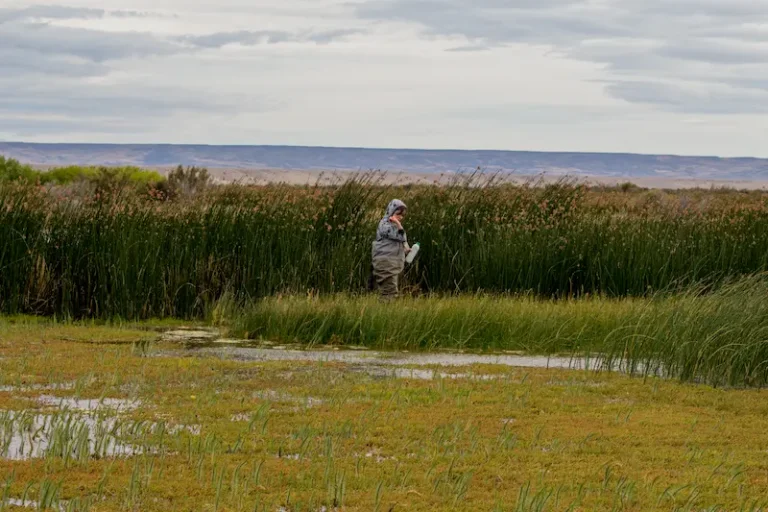
- Population monitoring of the entire aquatic bird community.
- Complex systems analysis.
Protagonists






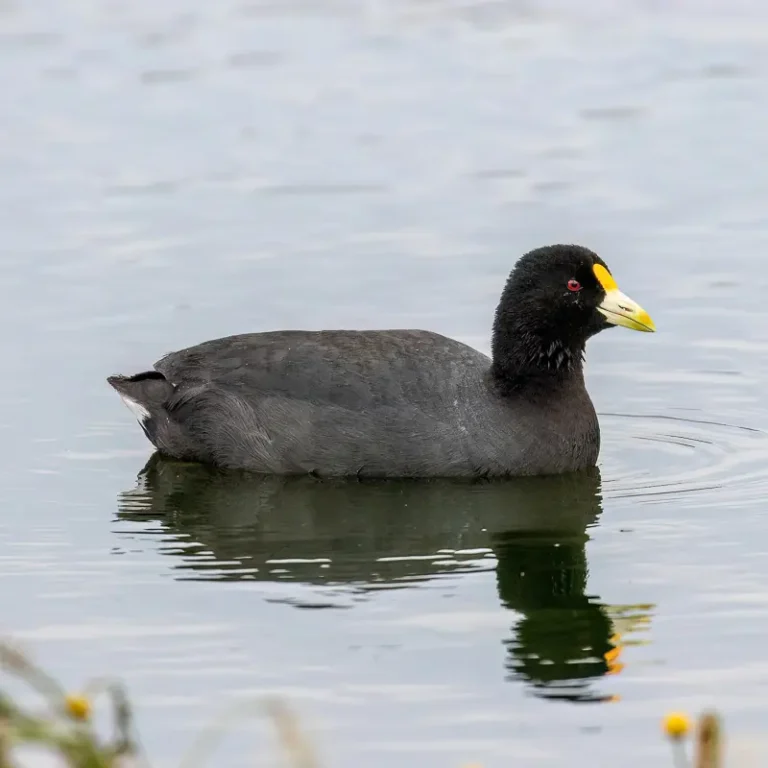






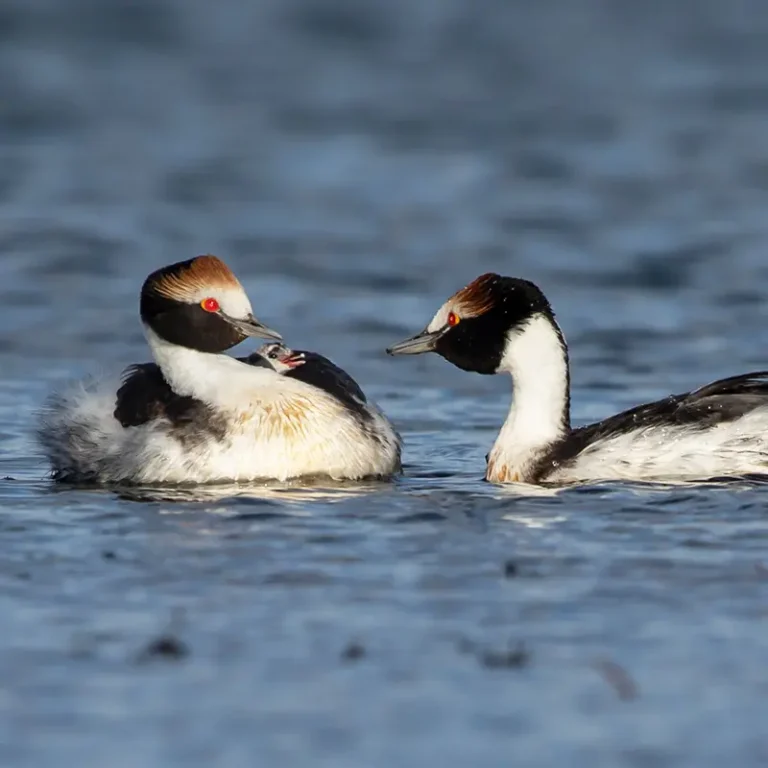


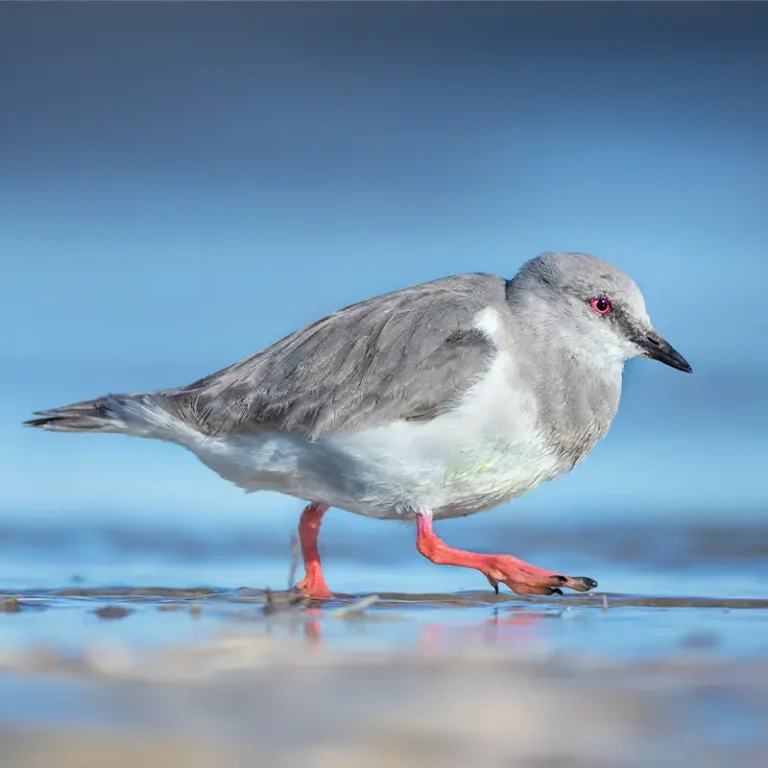

Habitat and behavior
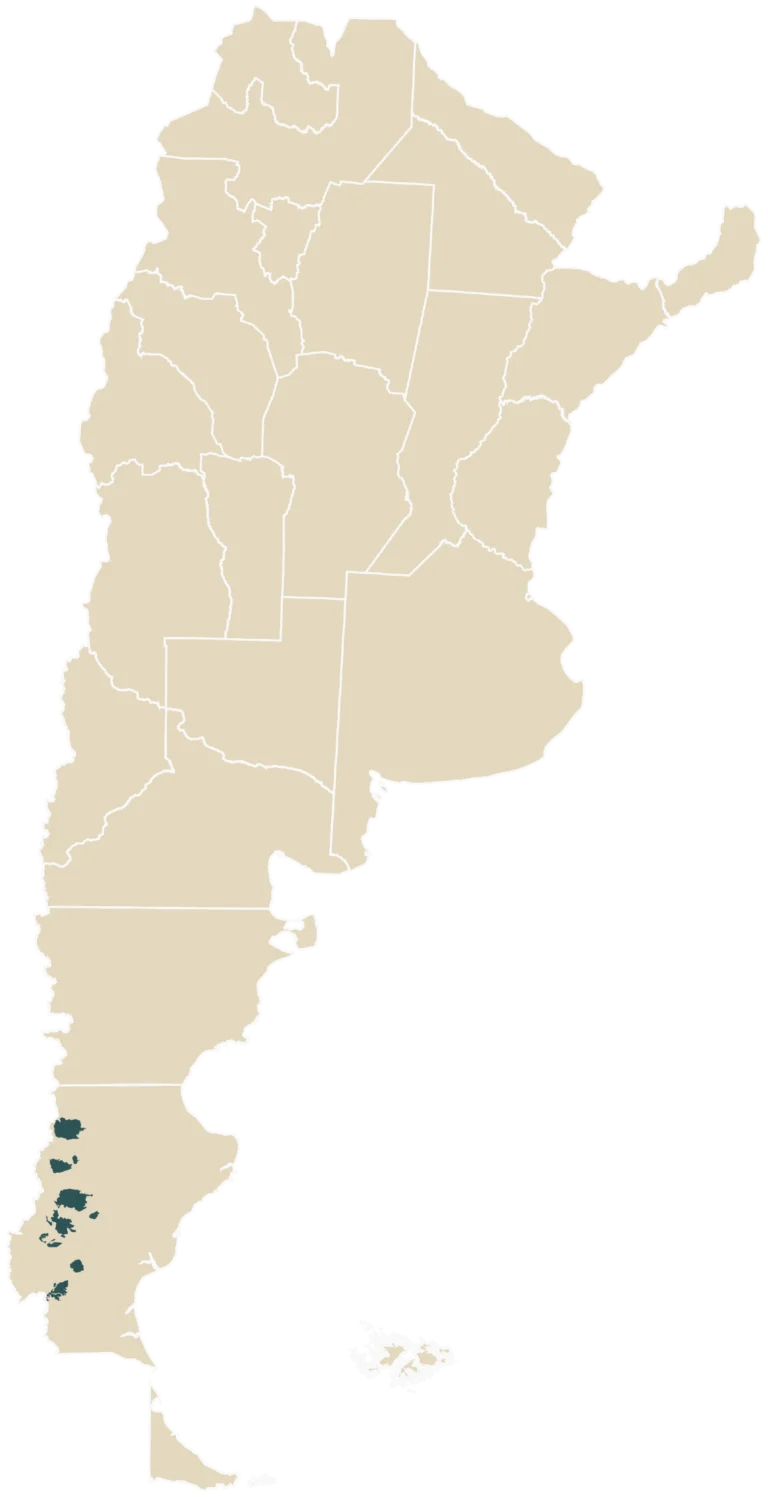
The communities of the high plateaus of western Santa Cruz are very particular, with complex dynamics, since the populations of the different species vary from year to year.
Feeding
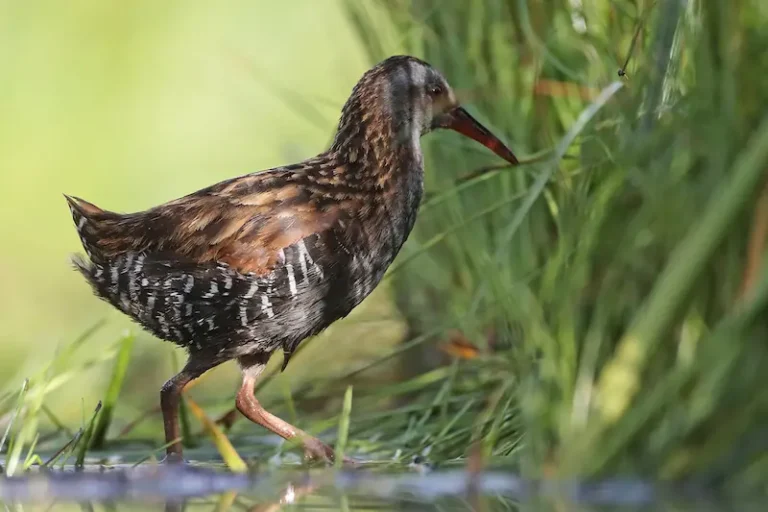
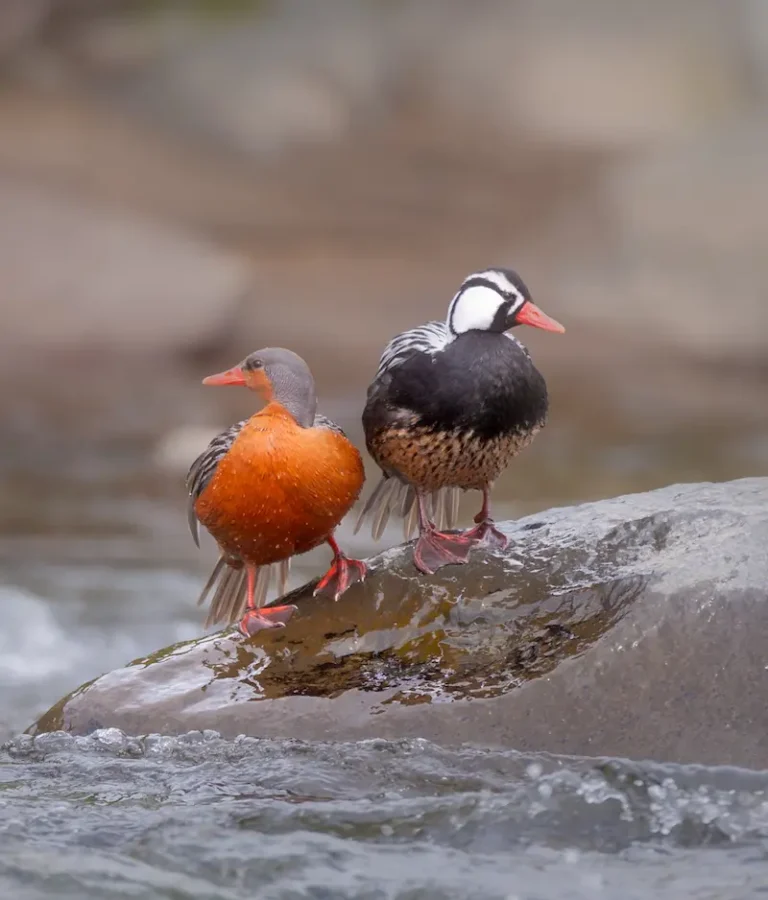
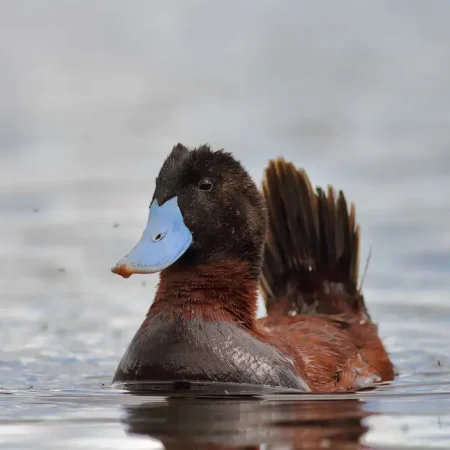
In the lagoons, most species feed on benthic or planktonic macroinvertebrates, but also on vegetation, although scarce, important. Each species occupies a different niche, which it exploits in a unique and special way.
Reproduction
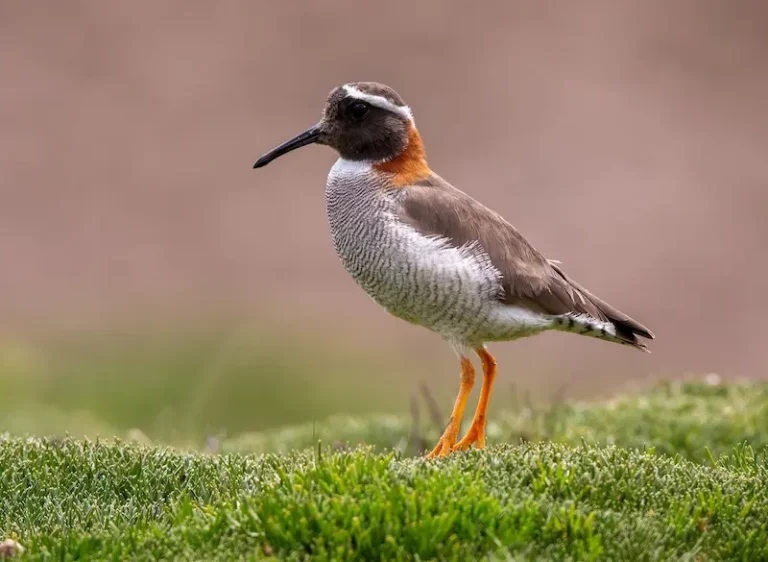
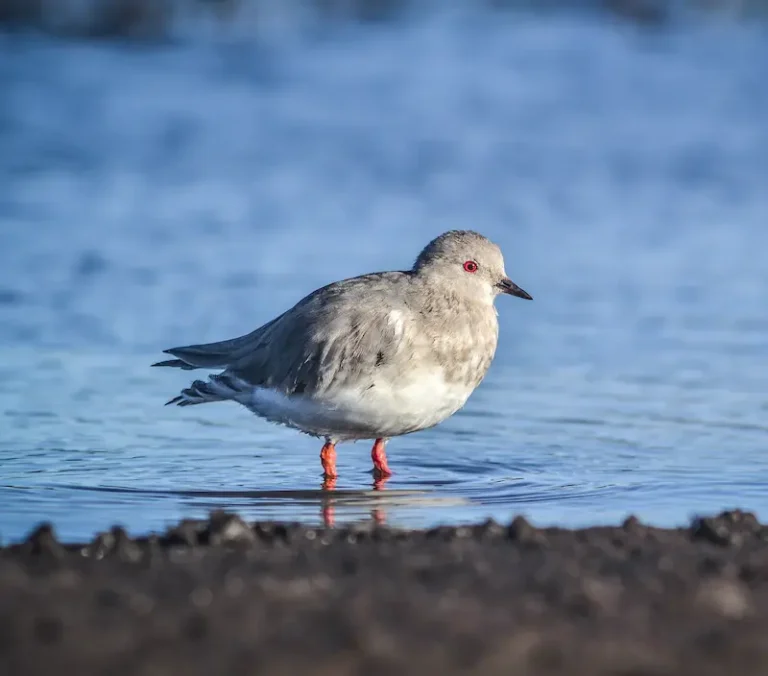
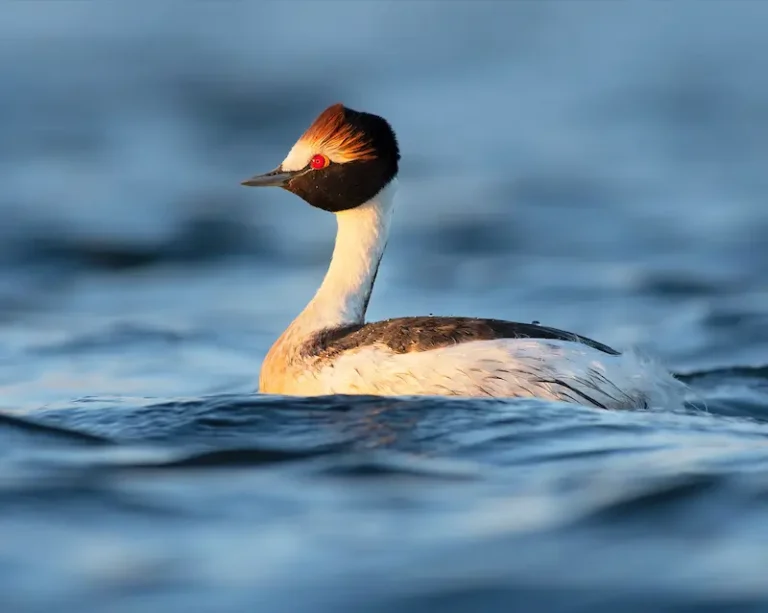
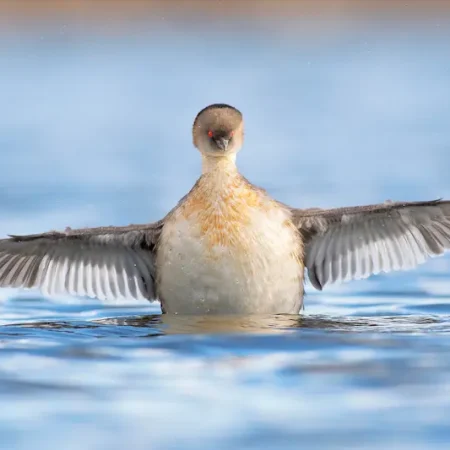
Few species of aquatic birds reproduce on the high plateaus, with the Hooded Grebe, the Silvery Grebe, and some shorebirds being the most important, although other species such as Coots, Flamingos, and occasionally Swans may reproduce in small numbers.
Curiosity
It is possible that the abundances of the different species vary depending on the humidity conditions in the Pampean region, and may even be affected by the conditions in southern Brazil!
Threats
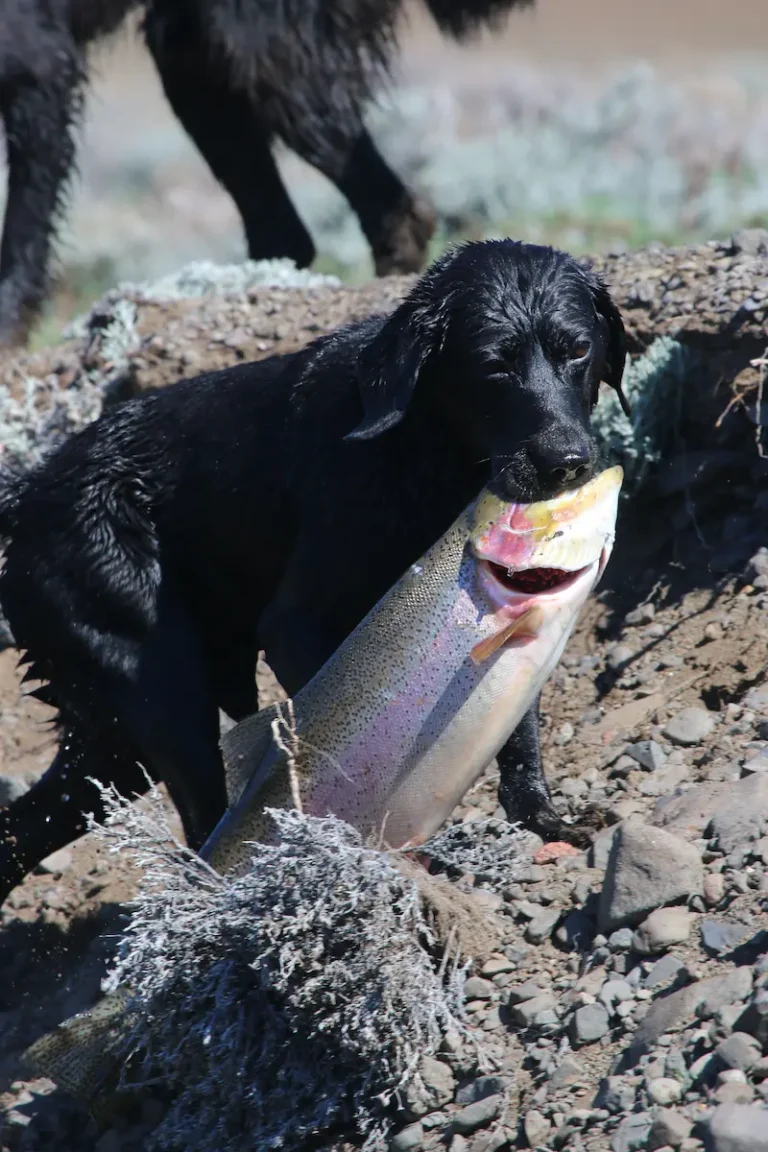
Climate change, but also the use of lagoons for trout farming, are the main threats.
Aquatic Bird Communities Project
This project is possible thanks to our network of donors and collaborating institutions.