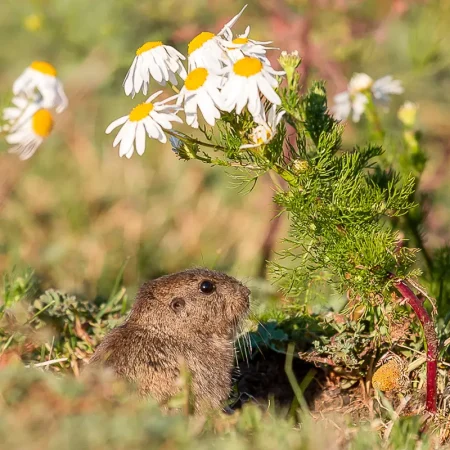
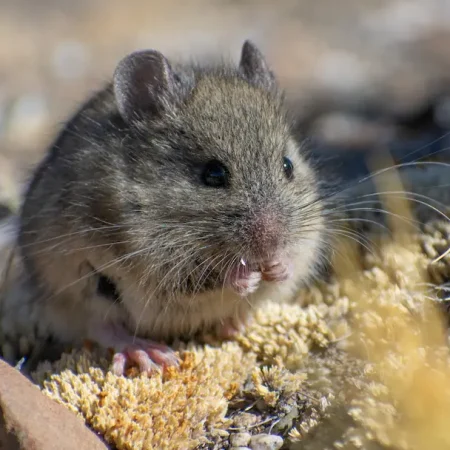
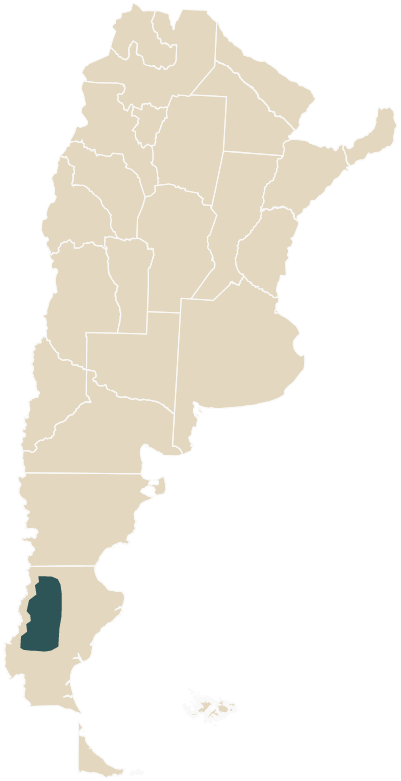
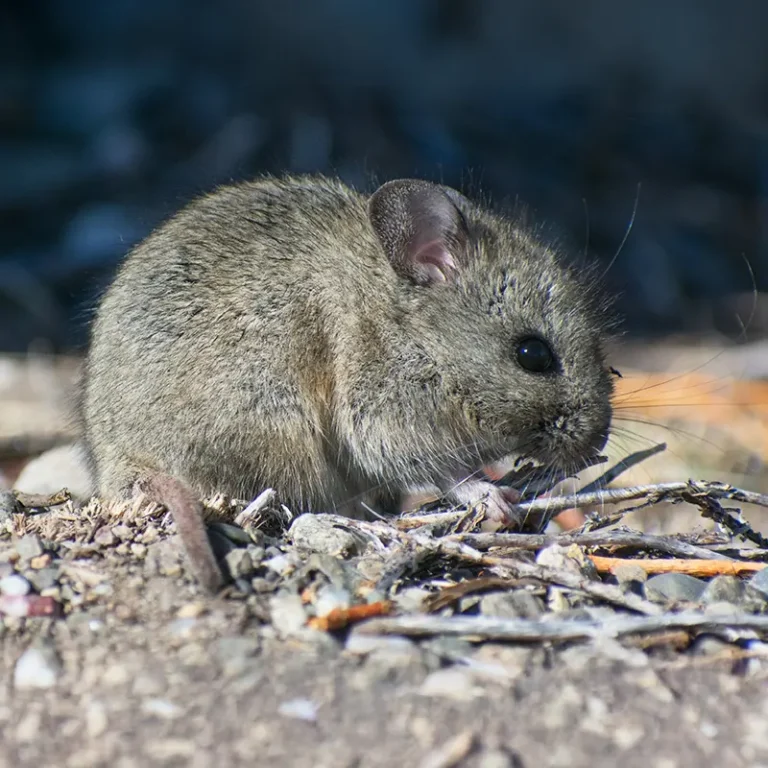
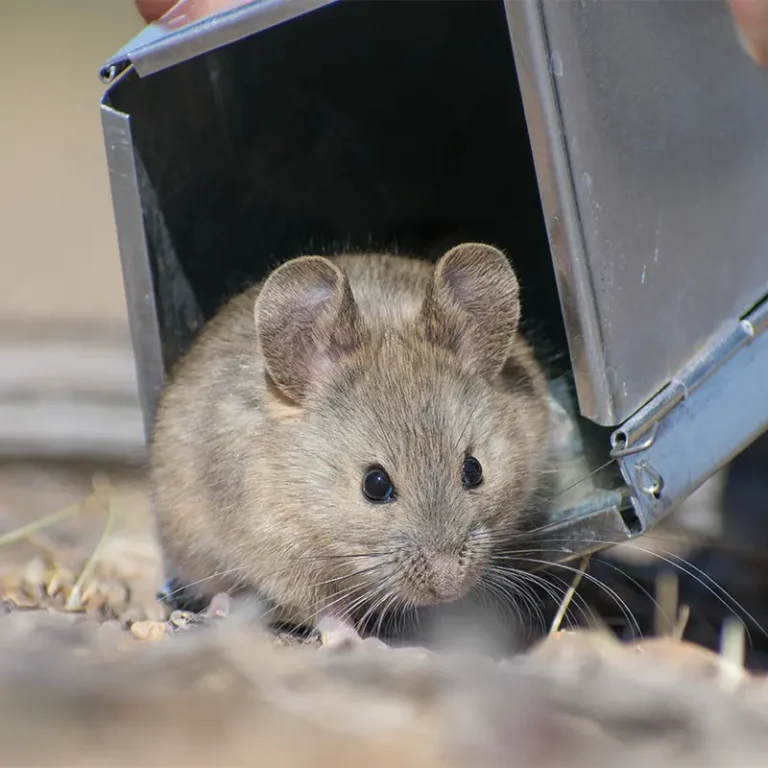
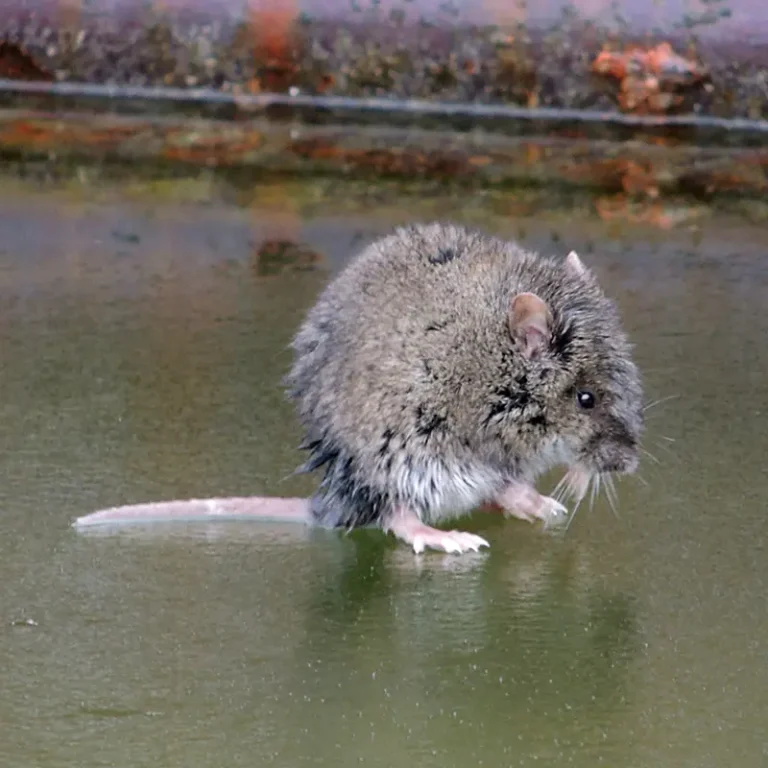
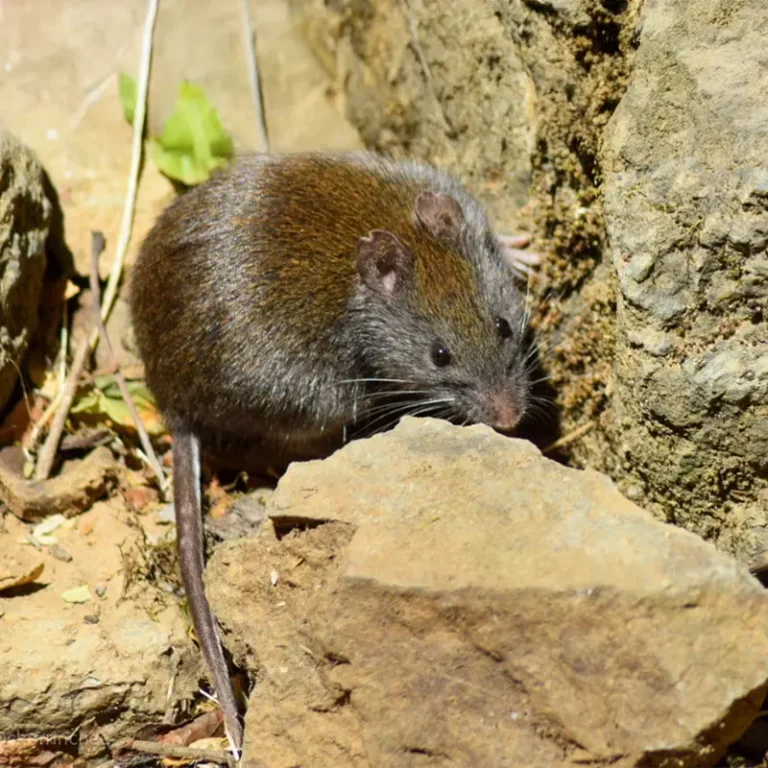
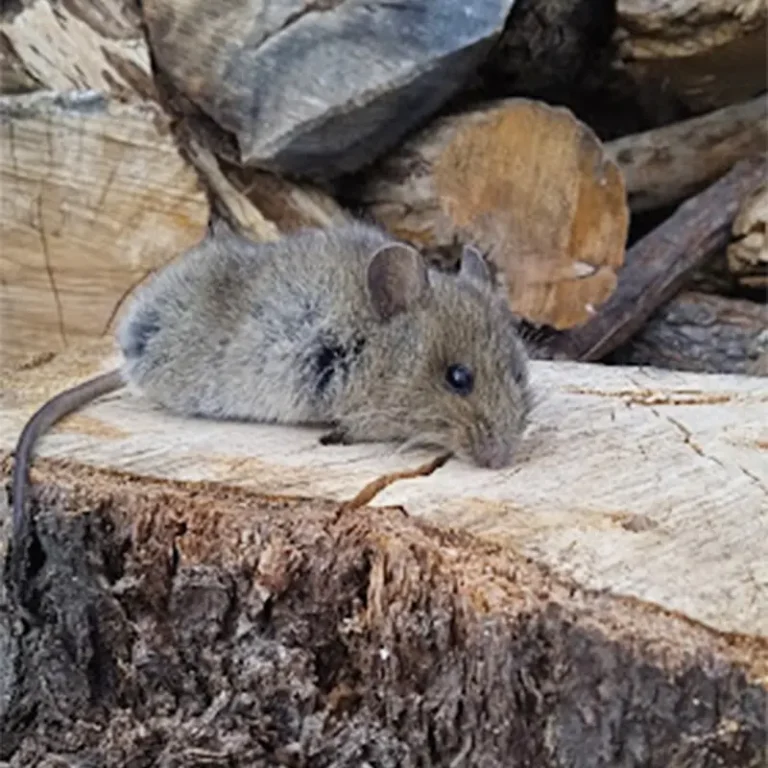
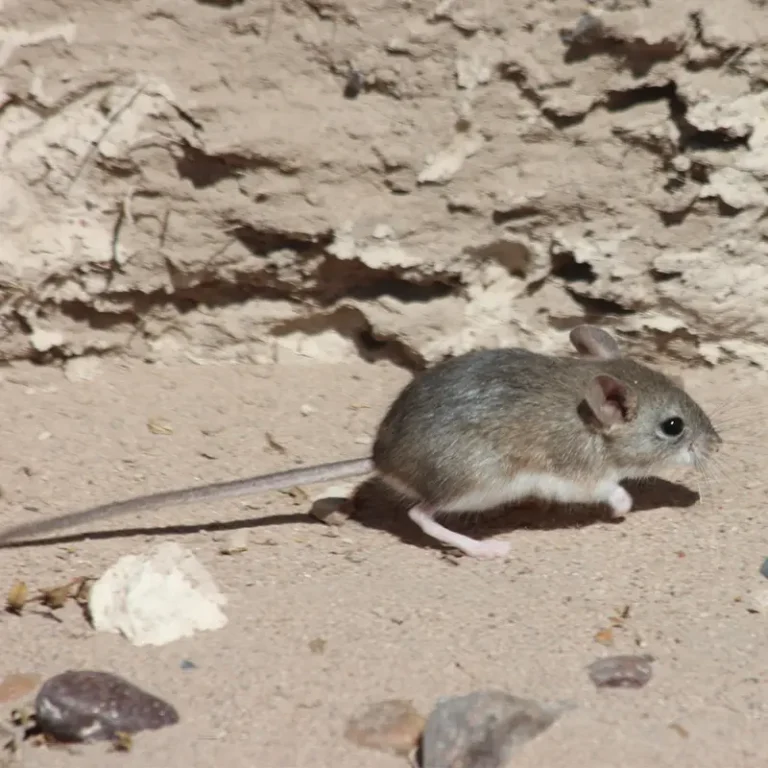
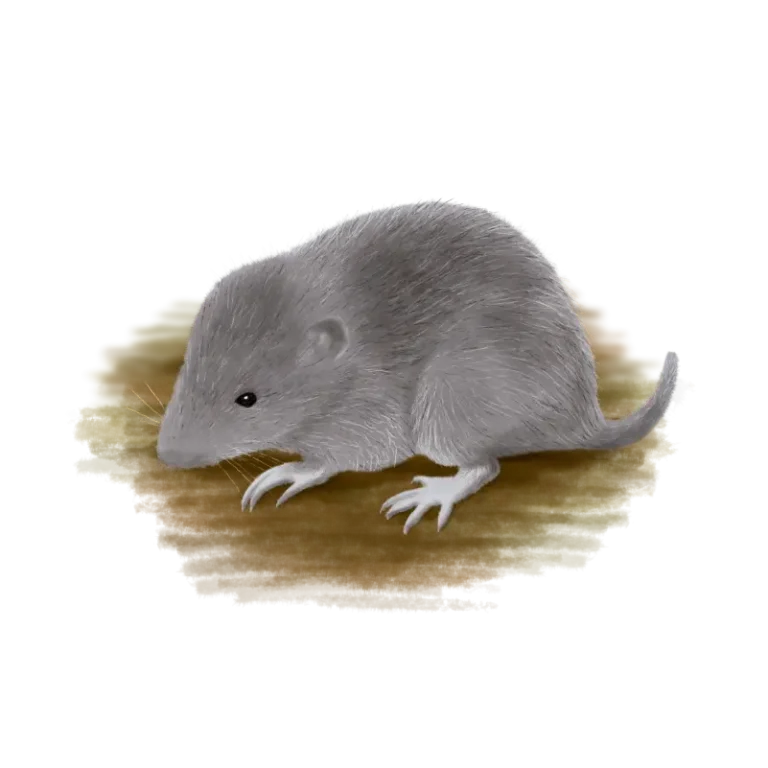
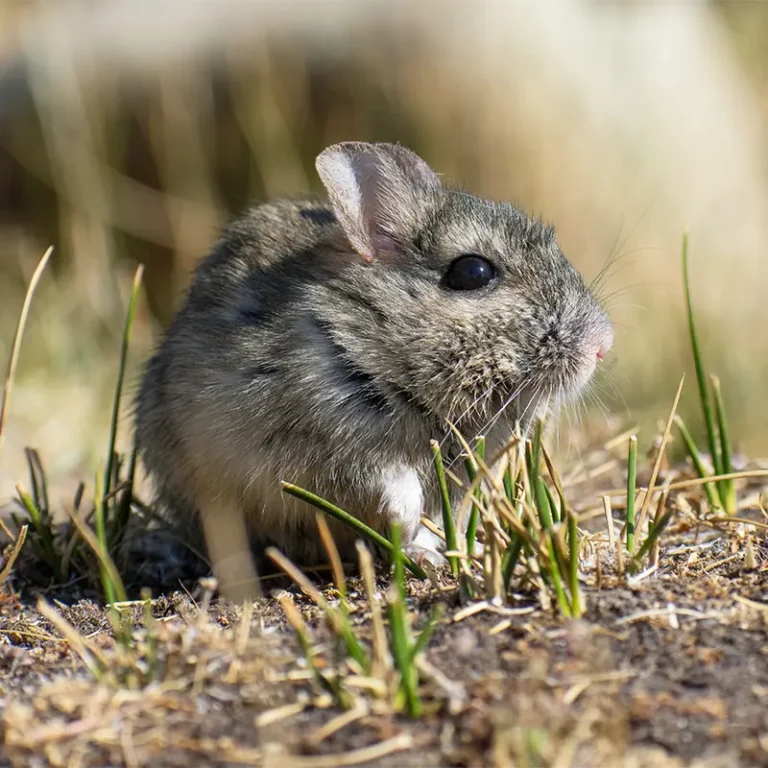
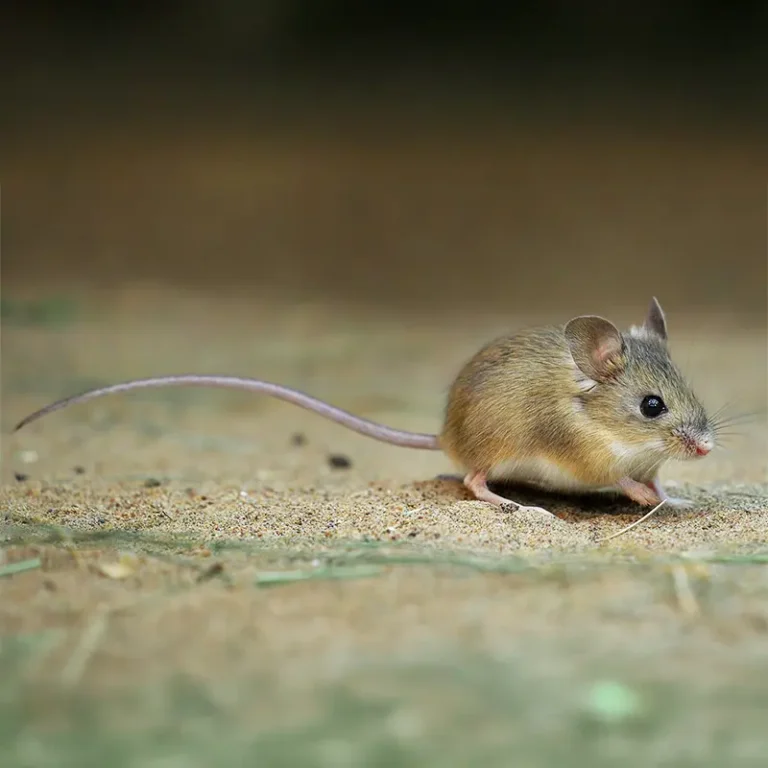
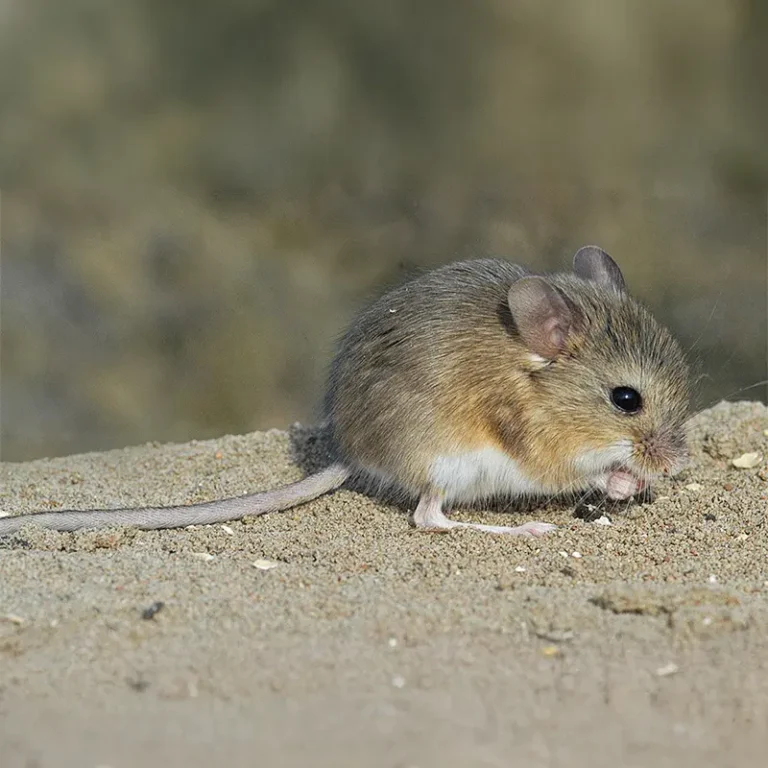
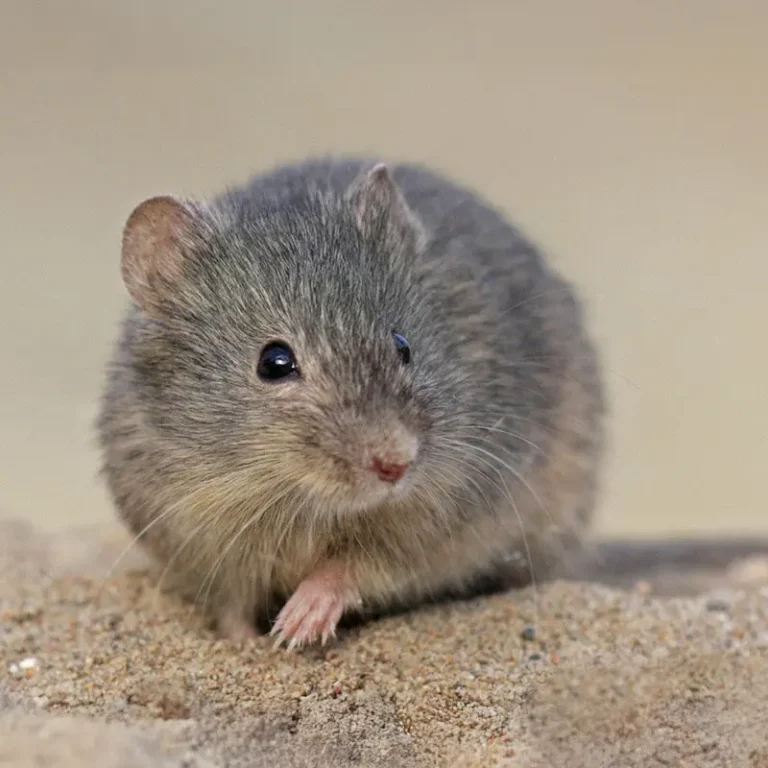
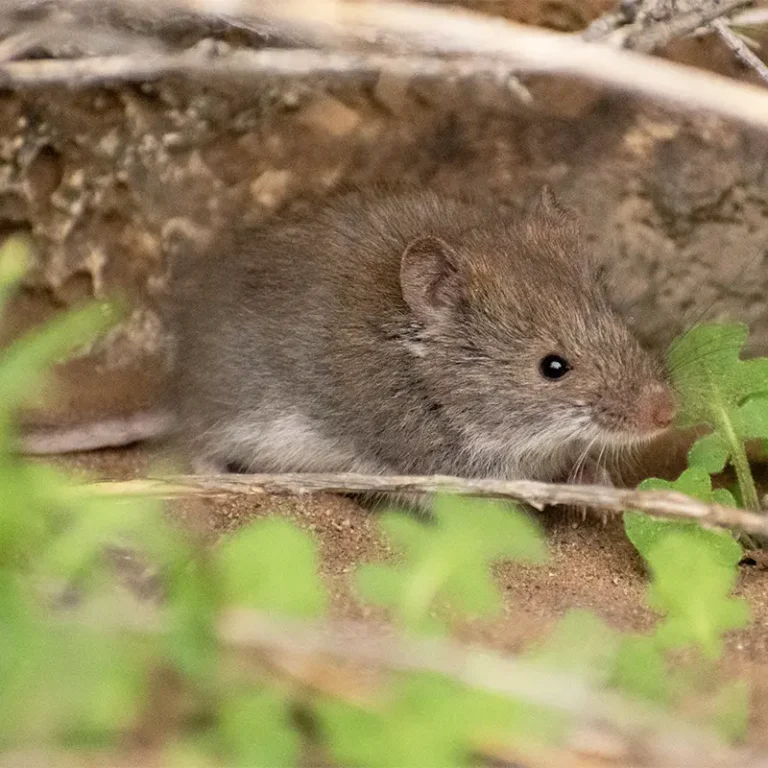
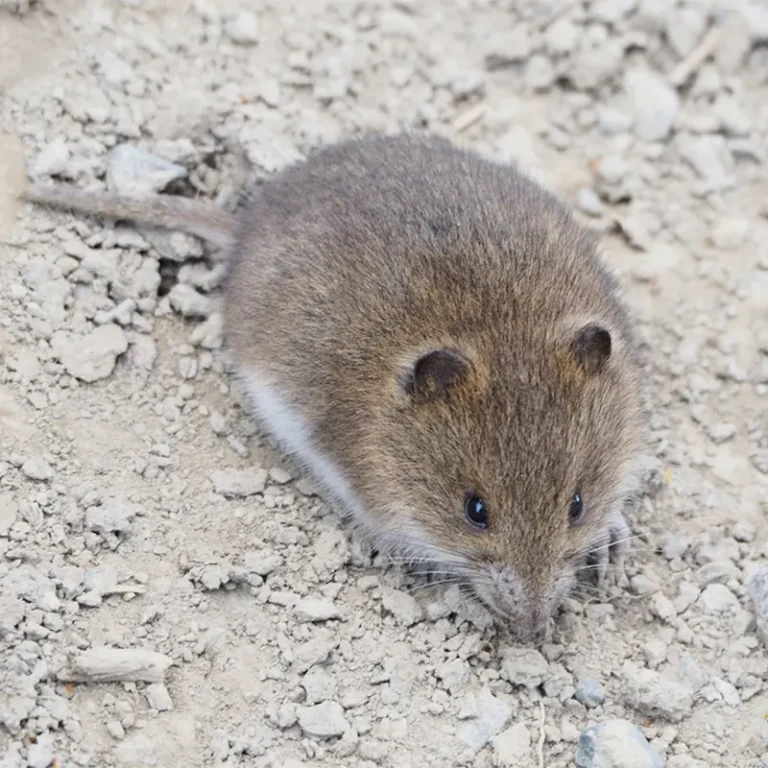
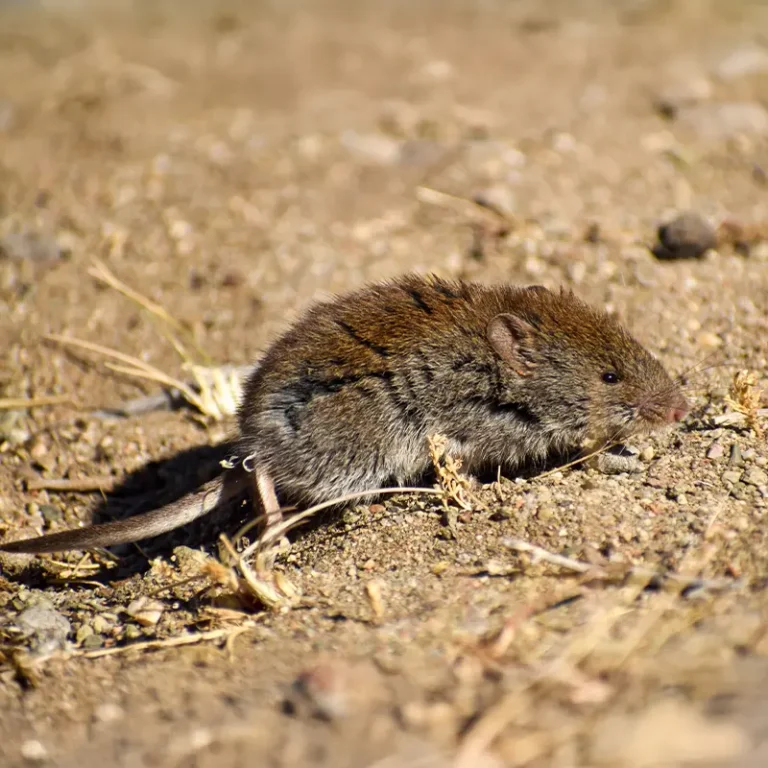
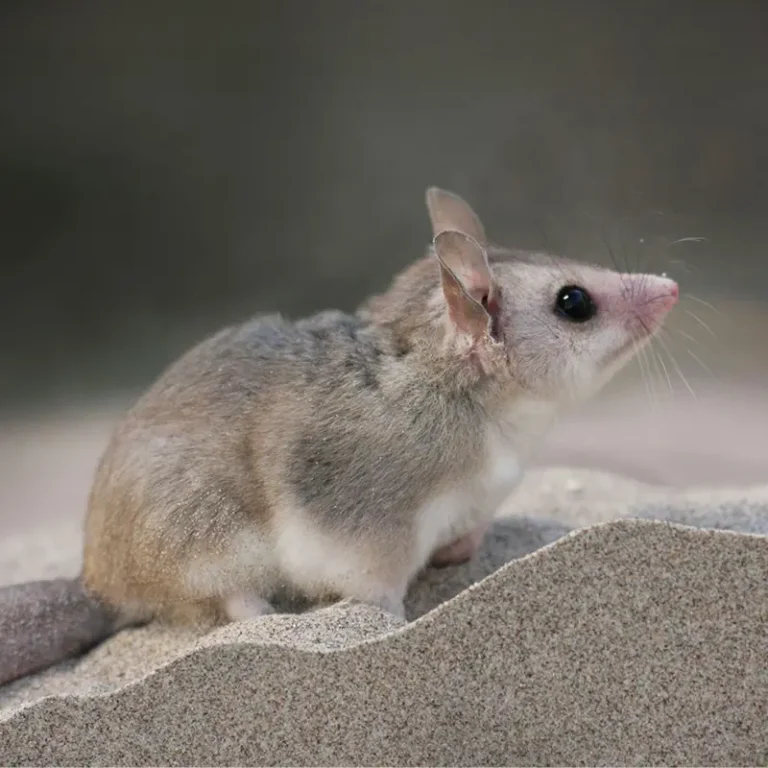
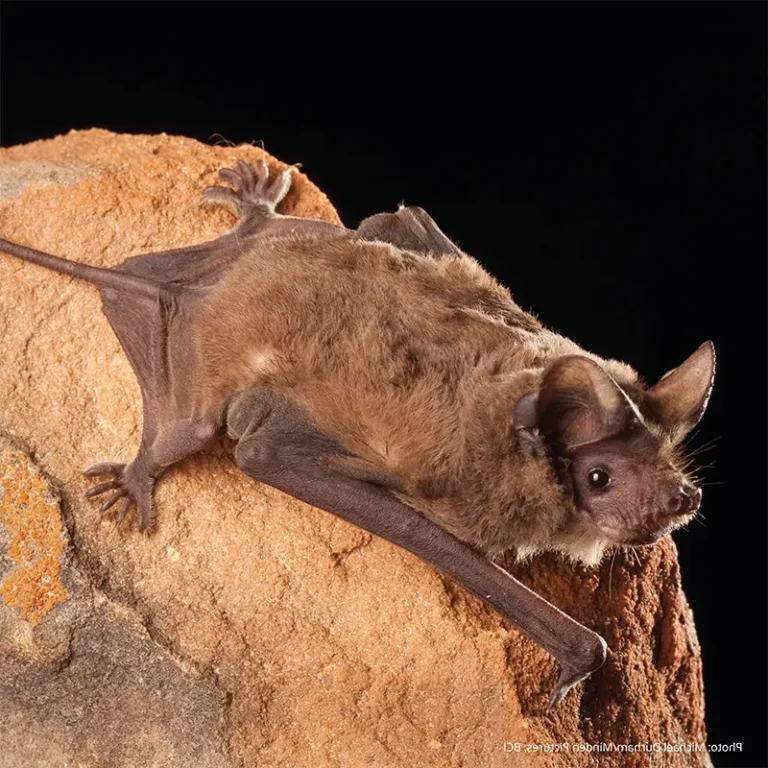
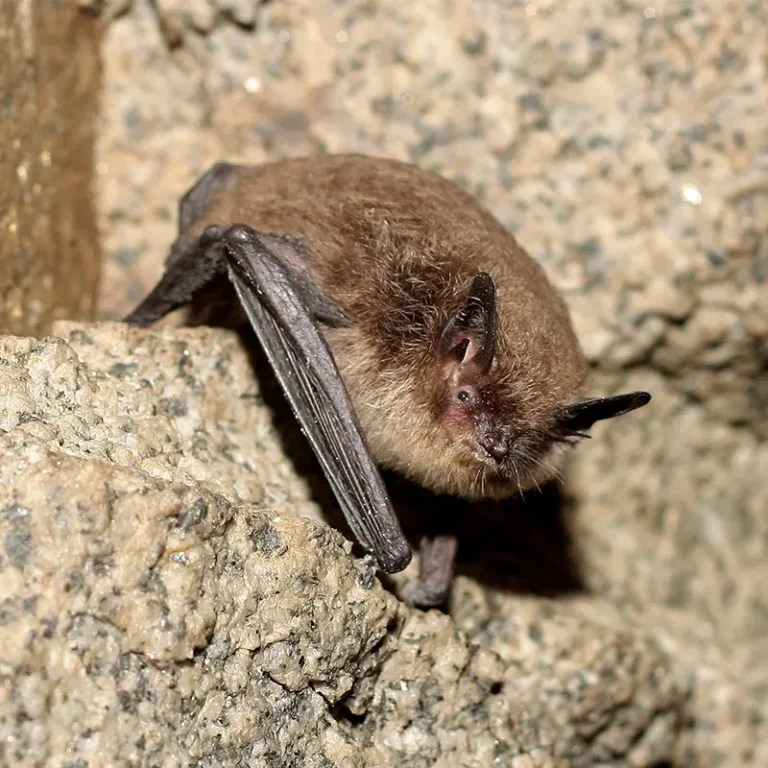
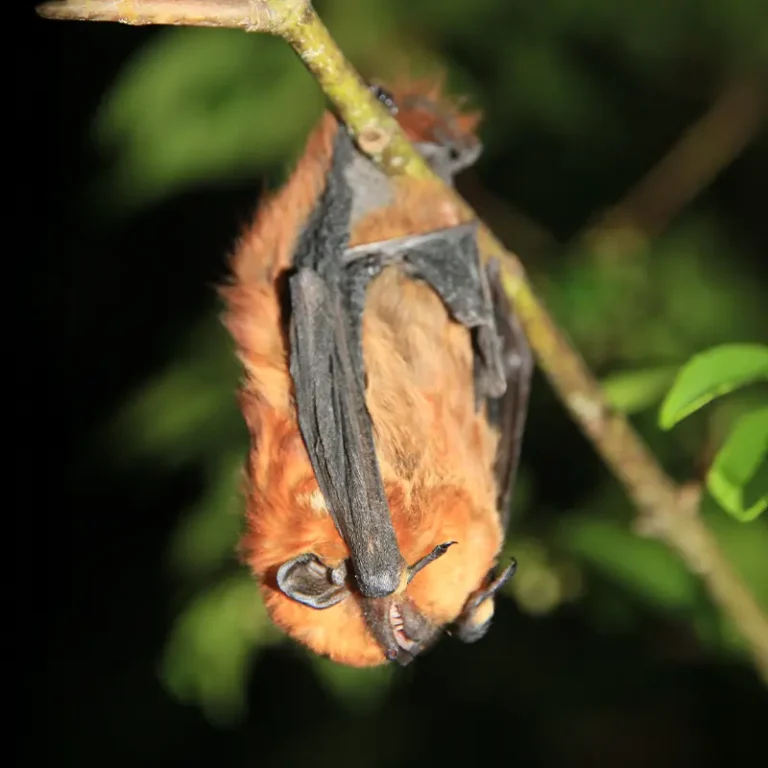
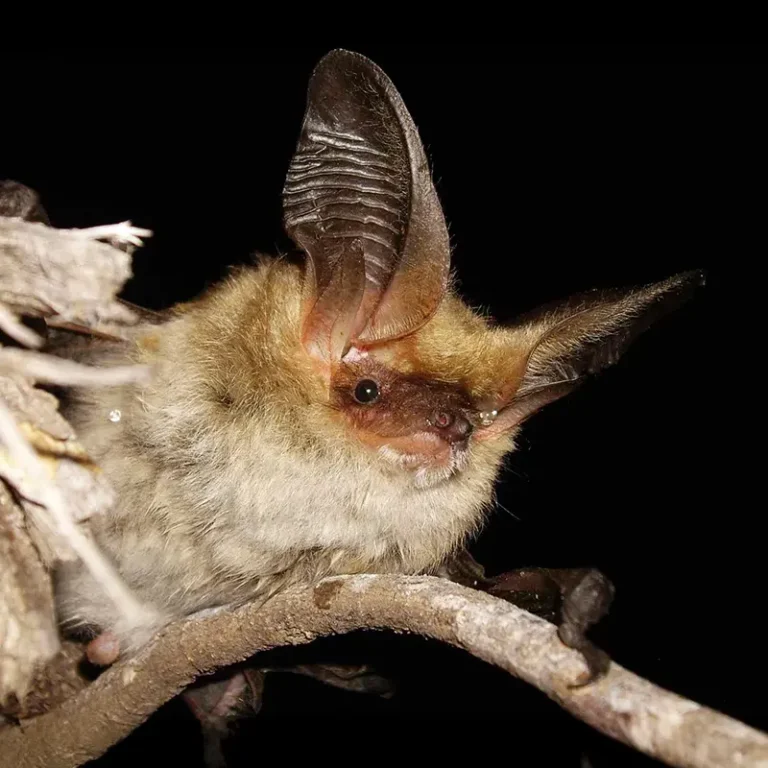
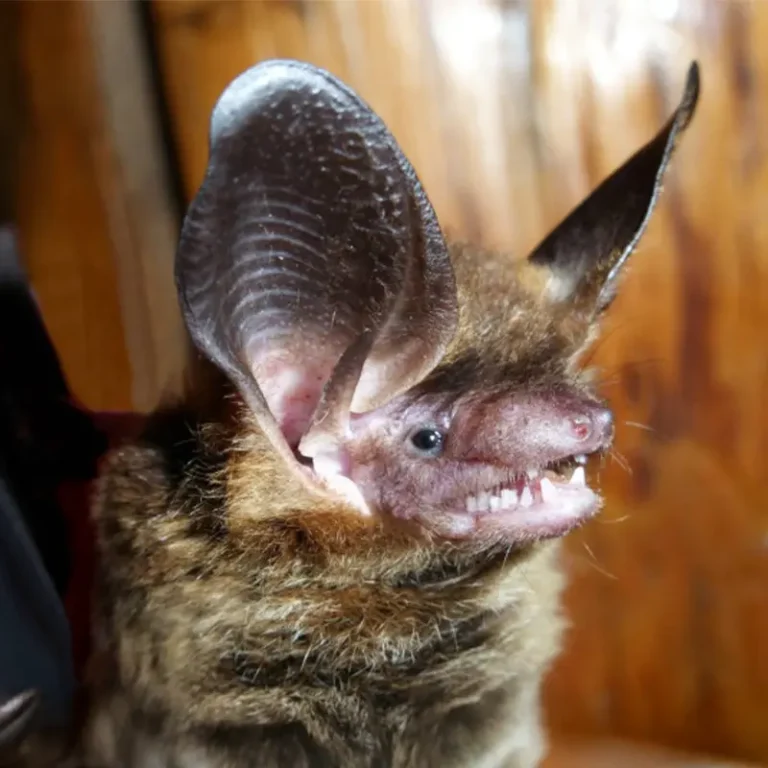
Changes in altitude often have a direct impact on species diversity. Throughout the mountains and plateaus, various factors such as climate, vegetation, and resource availability shape which species are present and how they interact. However, in regions like Patagonia, much remains to be learned about these dynamics, especially in groups like micromammals. In the province of Santa Cruz, bats, rodents, and marsupials form a key but understudied group. The diversity of bats in Patagonia is low compared to other regions of the country, but includes unique species that only inhabit Argentina and Chile. For their part, sigmodontine rodents represent one of the most diverse subfamilies and have several endemic species that exclusively inhabit the Patagonian steppe. The impact of human activities, such as overgrazing, has degraded the environments where many of these species live, altering their habitats and affecting their survival. This is especially serious in the Patagonian steppe, considered one of the most vulnerable ecoregions of the continent. Our work seeks to understand in detail the diversity and distribution of micromammals on the Lago Buenos Aires plateau and its surroundings, and to understand how factors such as altitude, climate, and human impact influence these communities. The information generated will be fundamental to developing conservation strategies adapted to this unique region of southern Patagonia.
Scope of the project
Our actions
We record which species inhabit different environments, from the highest areas to the valleys, crossing different latitudes and longitudes of the plateau.
We study how diversity varies, analyzing how many species there are, how abundant they are, and how they are grouped in different sectors of the landscape.
We investigate which environmental factors—such as the type of vegetation, proximity to water, topography, or climate—influence the presence and abundance of each species.
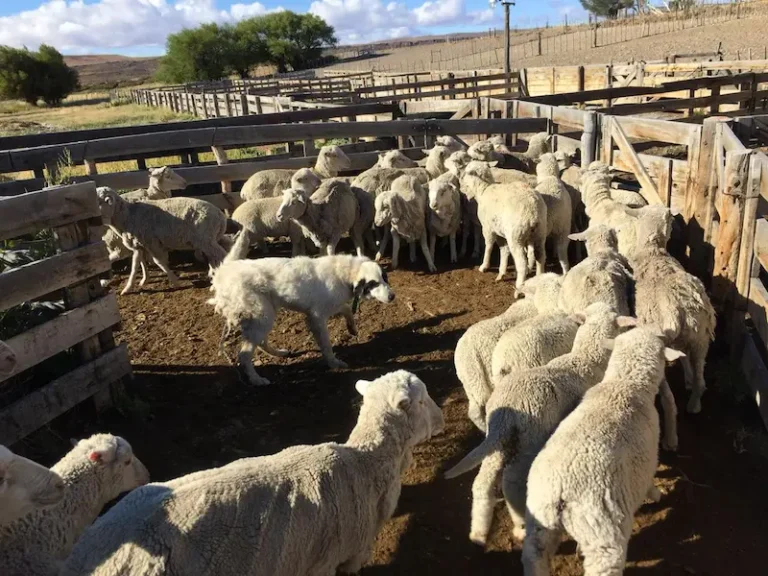
We evaluate human impact to understand if the presence of ranches, posts, or other constructions affects the composition and diversity of these wild communities.
Both rodents and marsupials are terrestrial, occupying a wide variety of environments, ranging from vegetation, rocky areas, sandy areas, etc. Bats, on the other hand, use all types of environments, since they depend on the availability of shelter and food.
Feeding
Rodents and marsupials are very diverse with respect to their diet (herbivores, carnivores, omnivores, etc.). Bats, on the other hand, have an exclusively insectivorous diet.
Reproduction
Rodents can have more than one reproductive event during a year, and gestation times are short. Bats have a single offspring during the favorable time of year (abundance of food and warm temperatures). Little is yet known about the reproductive aspects of the marsupial species present in Santa Cruz.
Curiosity
The role or importance of these species is varied. They control populations on which they feed, for example, bats control those insects that can be considered pests and that cause damage to the human population in some aspect. Rodents and marsupials are an important part of the diet of other species, for example birds of prey and medium and large carnivorous mammals.
Threats
The main threats to this group of mammals are ignorance and bad press, especially in bats. The myths that have been created around them for years make their important role in nature to be ignored.
We use cookies to personalize content, provide social media features, and analyze our traffic. We also share information about your use of our site with our analytics partners. You can change your preferences at any time. For more information, please see our Privacy Policy and Cookie Policy. Privacy PolicyCookie Policy